Introduction
Masgonzola is a term associated with a creamy cheese combination made from mascarpone and Gorgonzola. It brings together the smooth, rich texture of mascarpone and the distinctive, tangy flavor of Italian blue cheese. The result is a milder and creamier preparation than Gorgonzola on its own.
However, the word does not have the same established status as Gorgonzola, a traditional Italian cheese with a documented history and protected designation of origin. The precise meaning of Masgonzola can depend on the context in which it is used, so it is important to distinguish the culinary interpretation from the word’s less clearly documented origins.
Understanding Masgonzola involves looking at its possible name origin, its ingredients, its flavor, and the different ways a mascarpone-and-Gorgonzola mixture can be used in cooking.
What Is Masgonzola?
Masgonzola is best understood in a culinary context as a combination of two Italian cheeses: mascarpone and Gorgonzola. The two ingredients contribute different qualities, creating a balance between richness and the characteristic sharpness of blue cheese.
Gorgonzola is known for its blue-green veins, distinctive aroma, and tangy, sometimes pungent flavor. Mascarpone, by comparison, is a soft, rich Italian cheese with a smooth consistency and a relatively mild taste.
When combined, mascarpone softens the intensity of Gorgonzola without completely removing its distinctive character. Depending on the proportions and preparation method, the mixture can be smooth enough to spread or rich enough to incorporate into sauces and other dishes.
It is worth noting that Masgonzola is not as firmly established as a separate, standardized cheese category. The term is more accurately treated as a name for a particular cheese combination rather than an independently defined traditional cheese.
The Origin and Meaning of the Name Masgonzola
How the Word May Have Developed
The most straightforward explanation is that Masgonzola combines elements of the words mascarpone and Gorgonzola. The first part suggests mascarpone, while the second recalls Gorgonzola.
This interpretation reflects the ingredients associated with the culinary preparation. Mascarpone supplies the creamy texture, and Gorgonzola contributes the blue-cheese flavor.
Nevertheless, the exact historical origin of the word Masgonzola is not firmly documented. Without reliable historical records establishing when and where the name first appeared, it would be inaccurate to assign it a specific inventor, date, or place of origin.
Is Masgonzola a Traditional Italian Cheese?
Not in the same established sense as Gorgonzola.
Gorgonzola is a recognized Italian cheese named after the town of Gorgonzola in northern Italy. Defined standards govern its production and designation. Masgonzola, by contrast, does not have the same independently protected identity.
The distinction is important because a food preparation can have a recognizable name without being a separate, officially recognized cheese variety.
If you encounter Masgonzola on a menu, in a recipe, or in a product description, checking the ingredient list is the most reliable way to determine exactly what the name means in that context.
What Does Masgonzola Taste Like?
The flavor of a mascarpone-and-Gorgonzola mixture depends on the type of Gorgonzola used and the proportion of each ingredient. In general, it combines the richness of a creamy cheese with the tangy, savory qualities of blue cheese.
Its main flavor characteristics include:
- Creamy and buttery: Mascarpone gives the mixture a smooth, rich mouthfeel.
- Tangy and savory: Gorgonzola contributes a distinctive flavor that can range from relatively mild to strong.
- Slightly salty: The overall saltiness depends on the cheese and the quantities used.
- Mildly pungent: The blue cheese may have an earthy aroma and a more pronounced finish, especially when a stronger variety is selected.
The mixture can be adjusted to suit different preferences. Using more mascarpone creates a milder, creamier result, while increasing the amount of Gorgonzola produces a more pronounced blue-cheese flavor.
Main Ingredients Used in Mascarpone
The two principal ingredients are mascarpone and Gorgonzola. Each plays a different role in the final preparation.
1. Mascarpone
Mascarpone is a rich Italian dairy product known for its soft, creamy consistency. It is widely used in desserts, including tiramisu, but it also works in savory recipes.
In a Mascarpone mixture, mascarpone helps soften the sharper taste of blue cheese. It also makes the preparation smoother and easier to spread or incorporate into sauces.
2. Gorgonzola
Gorgonzola is an Italian blue-veined cheese made from Cow’s milk. Its flavor varies according to the variety and maturation process.
Two commonly recognized styles are:
- Gorgonzola Dolce: A softer, creamier style with a comparatively delicate flavor.
- Gorgonzola Piccante: A firmer style with a stronger, sharper taste.
Gorgonzola Dolce is a practical choice for a mild, creamy mixture, while Piccante can be used when a more pronounced blue-cheese character is desired.
3. Optional Seasonings and Ingredients
Depending on the recipe, additional ingredients can complement the cheese mixture. Black pepper, fresh herbs, garlic, or a small amount of cream may be used to adjust its flavor or consistency.
These additions are optional rather than defining ingredients. The basic combination relies on mascarpone and Gorgonzola.
How Gorgonzola Is Used in Cooking
A creamy blue-cheese mixture can be used in many dishes. Its richness makes it particularly suitable for recipes where a smooth texture and concentrated savory flavor are desirable.
Common culinary applications include:
Pasta and Noodles
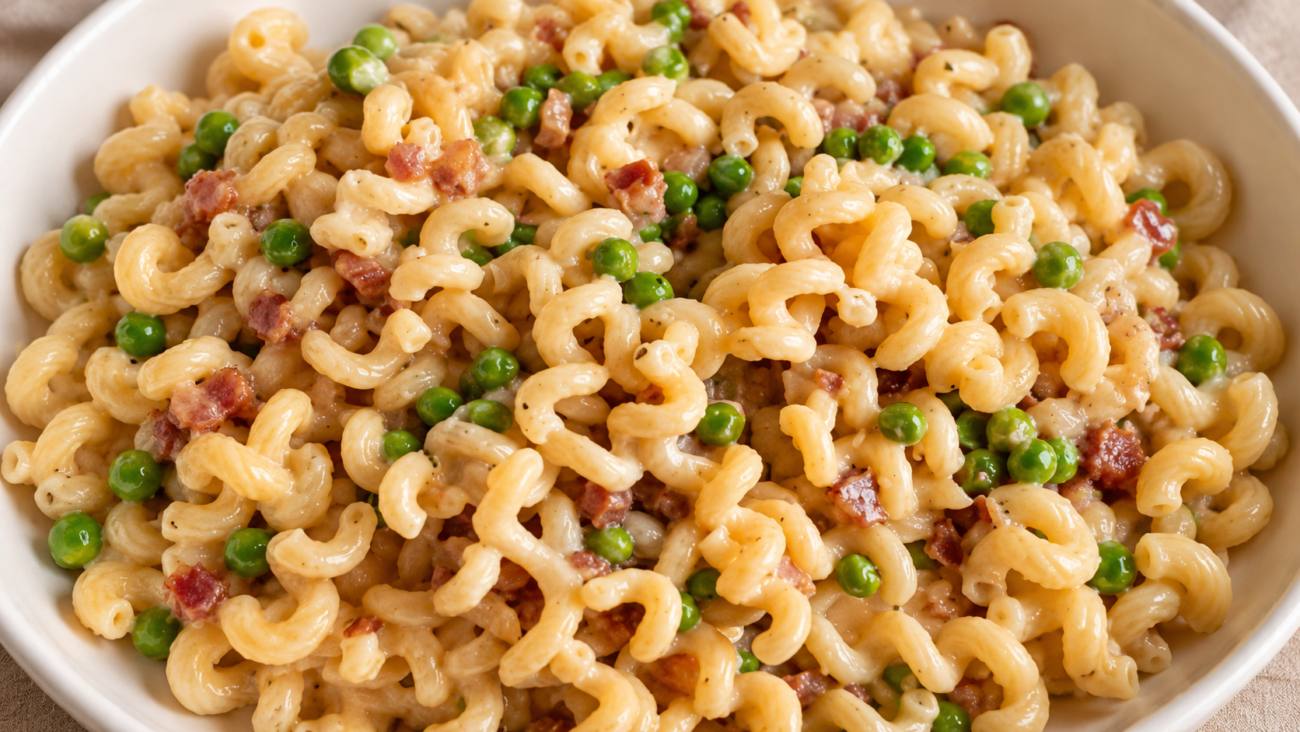
The mixture can be stirred into warm pasta to create a creamy sauce. It pairs particularly well with shapes that hold sauce, such as penne, rigatoni, and fusilli.
For a balanced dish, use a moderate amount of the cheese mixture and loosen it with a little pasta water. This helps create a smoother coating without making the sauce excessively thick.
Risotto
A spoonful of mascarpone and Gorgonzola can add richness to risotto. The creamy texture complements the rice, while the blue cheese supplies a savory finish.
Add the mixture toward the end of cooking and stir until incorporated. Because both ingredients contribute richness, additional butter or cheese may not be necessary.
Pizza and Flatbreads
The combination can serve as a flavorful topping for pizza or flatbread. It works particularly well with ingredients that complement blue cheese, such as mushrooms, caramelized onions, pears, or walnuts.
Use it sparingly if the dish already contains other rich cheeses. Too much can overwhelm the other flavors.
Sandwiches and Crostini
A thick cheese mixture can be spread on toasted bread, crostini, or savory sandwiches. Fresh herbs, roasted vegetables, and fruit provide contrast to its creamy texture.
For an appetizer, a small amount is often sufficient because blue cheese can have a concentrated flavor.
Dips and Sauces
The mixture can form the base of a dip or a creamy sauce for vegetables and other savory foods. Depending on the desired consistency, it can be combined with a little cream or another suitable ingredient.
Gentle heating is preferable when incorporating it into a sauce. Excessive heat can affect the texture and make the mixture oily or uneven.
How to Make a Simple Mascarpone Mixture at Home
A basic version requires only two ingredients. The following is a practical recipe suggestion rather than a standardized traditional formula.
Ingredients
- 100 g mascarpone
- 50 g Gorgonzola Dolce, adjusted to taste
Method
- Allow the cheeses to soften slightly at a cool room temperature before mixing.
- Place the mascarpone in a bowl and break the Gorgonzola into small pieces.
- Add the Gorgonzola gradually, mixing until the desired consistency and flavor are reached.
- Taste the mixture before adding any seasoning.
- Serve as a spread or incorporate it into a suitable savory recipe.
For a milder flavor, increase the proportion of mascarpone. For a stronger result, add more Gorgonzola.
Keep the mixture refrigerated when it is not being served, and follow appropriate food-safety guidance for perishable dairy products.
Masgonzola vs. Gorgonzola: What Is the Difference?
Although the names sound similar, the terms do not necessarily refer to the same thing.
Feature
Masgonzola
Gorgonzola
Meaning Generally associated with a mascarpone-and-Gorgonzola combination Established Italian blue cheese.
Main ingredients Mascarpone and Gorgonzola in the culinary interpretation Cow’s milk and the ingredients used in its regulated production
Texture Usually creamy and spreadable when mixed Varies by style, from soft and creamy to firmer
Flavor Often milder because of the mascarpone Tangy, savory, and potentially pungent
Official status No equivalent independently protected designation established Protected Designation of Origin (PDO)
Typical uses Spreads, sauces, pasta, and appetizers Cheese boards, pasta, sauces, risotto, and other dishes
The most important distinction is that Gorgonzola has a recognized identity and defined production standards. Masgonzola is a less clearly standardized term, so its precise meaning should be confirmed from the relevant recipe or product information.
Is Masgonzola Healthy?
The nutritional value of a Masgonzola preparation depends on the ingredients, the proportions used, and the serving size.
Both mascarpone and Gorgonzola are dairy products, and their combination can contribute protein, calcium, fat, and energy to a meal. However, the mixture can also be high in saturated fat and calories, while its sodium content depends on the cheeses and quantities used.
A few practical considerations can help:
- Watch portion sizes: A small amount can provide plenty of flavor without requiring a large serving.
- Consider the rest of the meal: Pair the cheese with vegetables, whole grains, or other foods that provide fiber.
- Check the label: For a packaged product, review its nutrition information and ingredient list rather than relying on the name alone.
- Consider dairy allergies and intolerance: The mixture contains milk-derived ingredients. People with a milk allergy should avoid it unless a qualified healthcare professional has confirmed that a particular product is safe for them.
Mascarpone should not be considered inherently healthier than other cheeses simply because it combines two ingredients. Its nutritional profile depends on the actual preparation.
How to Store Mascarpone Properly
Because mascarpone and Gorgonzola are perishable dairy products, careful storage is important.
If you prepare the mixture at home, transfer it to a clean, airtight container and refrigerate it promptly. Keep the refrigerator at or below 4°C (40°F), and avoid leaving the mixture at room temperature for extended periods.
Other useful practices include:
- Use clean utensils when serving.
- Avoid mixing fresh ingredients into an older batch without considering their storage requirements.
- Follow the use-by date and storage instructions on the original packaging.
- Discard the mixture if there are signs of spoilage or if it has been stored unsafely.
The safe storage period depends on the ingredients, preparation method, and handling conditions. Do not assume that a homemade mixture will keep as long as either cheese would when stored separately.
Why Is Masgonzola Appearing in Online Searches?
Unusual words often attract attention because their meanings are not immediately obvious. Masgonzola has a familiar sound that suggests an Italian food, yet its status is less clearly defined than that of Gorgonzola.
This creates several possible reasons for people to search for it. Some may have encountered the word in a recipe or food description and want to identify the ingredients. Others may be trying to understand whether it is a distinct cheese, a combination of existing cheeses, or simply a coined term.
The word may also be used creatively in product naming or other contexts. However, its appearance online does not by itself establish a long culinary history, widespread popularity, or a recognized non-food meaning.
The best way to interpret Masgonzola is to examine the context in which it appears rather than assume that every use refers to an officially defined product.
Frequently Asked Questions About Masgonzola
Is Masgonzola a real cheese?
The term is used in culinary contexts to describe a combination of mascarpone and Gorgonzola. However, it does not have the same independently protected status as Gorgonzola. The precise meaning can vary by product or recipe.
Is Masgonzola the same as mascarpone?
No. Mascarpone is an established Italian dairy product with a rich, creamy texture. Masgonzola generally refers to a combination involving mascarpone and Gorgonzola, rather than mascarpone alone.
Does Masgonzola taste strong?
It can, but the intensity depends on the type and amount of Gorgonzola used. A preparation with more mascarpone and Gorgonzola Dolce will generally taste milder than one made with a stronger blue cheese.
Can Gorgonzola be used in pasta?
Yes. A mascarpone-and-Gorgonzola mixture can be stirred into pasta to make a creamy sauce. A little pasta water can help achieve a smooth consistency.
Is Gorgonzola suitable for vegetarians?
That depends on the specific cheeses and how they are made. Some cheeses use animal-derived rennet, while others use microbial or other suitable alternatives. Check the product label or ask the manufacturer if vegetarian suitability is important.
Is Masgonzola an officially protected Italian product?
There is no established basis for treating Masgonzola as having the same protected designation as Gorgonzola. The latter is a recognized PDO cheese with defined production requirements.
Can Masgonzola be made at home?
Yes. A simple version can be prepared by mixing mascarpone with softened Gorgonzola. You can adjust the proportions to create a milder or stronger flavor, then use the mixture in spreads, sauces, and savory dishes.
Conclusion
Masgonzola is best understood as a culinary term associated with combining mascarpone and Gorgonzola. Its appeal comes from the contrast between mascarpone’s smooth richness and Gorgonzola’s distinctive blue-cheese flavor.
Although the exact origin of the name is not firmly documented, the ingredient combination offers practical uses in pasta, risotto, sauces, pizza, and appetizers. The key is to distinguish this preparation from Gorgonzola itself, which has a recognized history and protected status.
For anyone encountering Masgonzola for the first time, checking the ingredients and context provides the clearest understanding of what the term means.
