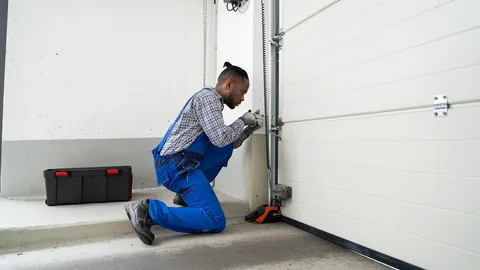
A garage door occupies a significant portion of many homes’ front exteriors, making its condition an important part of the property’s overall appearance. Faded finishes, damaged panels, and outdated styles can make an otherwise well-maintained house look neglected. Homeowners can increase curb appeal with stylish garage door designs that complement their home’s architecture while also improving everyday functionality. However, appearance is only part of the equation. A garage door must also operate smoothly, provide security, and withstand daily use. Understanding how design, repairs, and maintenance work together helps homeowners make better decisions about their garage doors.
Why Garage Door Design Matters
The garage door’s size and prominent position make it one of the first exterior features people notice. Its color, material, and panel configuration can either complement the home’s architecture or create an unwanted contrast. Traditional houses often pair well with raised-panel doors, while contemporary properties may benefit from clean horizontal lines, minimalist hardware, or glass accents.
Choosing a design involves more than following current trends. A door should work with the surrounding siding, trim, windows, and entryway. Neutral finishes can create a cohesive appearance, while darker colors introduce contrast and definition. Decorative handles and window inserts can add character without requiring major exterior renovations. The most effective choices usually reflect the home’s existing features rather than competing with them.
When Repairs Make More Sense Than Replacement
Not every unattractive garage door needs to be replaced. Surface scratches, minor dents, worn weatherstripping, and fading paint can sometimes be corrected without purchasing an entirely new system. Repainting a compatible door material or replacing a damaged section may restore its appearance at a lower cost than full replacement.
Mechanical problems require closer attention. A garage door that moves unevenly, produces grinding noises, or struggles to close may have worn rollers, damaged tracks, or failing cables. These issues should be addressed before cosmetic improvements begin. When arranging repairs through http://www.elpasogaragedoorepair.com, it’s worth having the springs, cables, tracks, and opener checked together, since what appears to be a minor problem with one component may actually stem from wear elsewhere in the system.
Replacement becomes more practical when deterioration affects multiple components or when repeated repairs approach the cost of a new installation. Severely corroded panels, extensive structural damage, and poorly insulated older doors may justify a complete upgrade. Comparing repair estimates with replacement costs helps establish which option provides better long-term value.
Choosing Materials That Balance Style and Durability
Garage door materials influence appearance, maintenance requirements, and resistance to environmental conditions. Steel remains a common choice because it is available in numerous finishes and panel styles. Insulated steel doors can also help reduce heat transfer through the garage entrance, although their effectiveness depends on the entire garage structure.
Wood offers natural texture and a distinctive appearance, but it generally requires more maintenance to protect against moisture and weathering. Aluminum can provide a lightweight alternative, particularly in modern designs featuring glass panels. Composite materials and wood-look finishes offer additional options for homeowners seeking a particular aesthetic without the upkeep associated with natural wood.
Climate should also influence material selection. Areas with intense sunlight may benefit from finishes designed to resist fading, while humid environments require attention to corrosion resistance. Choosing appropriate materials from the beginning can reduce future maintenance demands and help preserve the door’s appearance.
Don’t Overlook the Operating System
A visually appealing garage door loses much of its value if it becomes difficult or unsafe to operate. Springs counterbalance the door’s weight, cables assist with lifting, and rollers guide movement along the tracks. These components must function together for consistent opening and closing.
Garage door openers also affect daily convenience. Modern systems may offer quieter belt-drive operation, battery backup, remote monitoring, and automatic closing features. However, upgrading an opener will not correct an improperly balanced door or damaged lifting hardware. The mechanical system should be evaluated before new equipment is installed.
Safety deserves particular attention. High-tension springs and cables can cause serious injuries if handled incorrectly. Homeowners can visually check for obvious wear, listen for unusual sounds, and test accessible safety features according to manufacturer instructions. Spring adjustments, cable replacement, and major track repairs should be left to qualified technicians.
Maintenance That Preserves Appearance and Function
Regular maintenance helps prevent small problems from developing into expensive repairs. Dirt, road debris, and weather exposure gradually affect garage door finishes and moving components. Cleaning the exterior with products recommended by the manufacturer can help preserve its appearance without damaging protective coatings.
Periodic professional inspections can identify worn rollers, loose hardware, deteriorating seals, and balance problems. Weatherstripping is particularly important because damaged seals allow drafts, dust, and moisture to enter the garage. Replacing these relatively inexpensive components can improve comfort while protecting stored belongings.
Homeowners should also pay attention to changes in performance. Slower movement, unfamiliar noises, and inconsistent closing behavior may indicate developing mechanical issues. Addressing these signs early can extend the useful life of the system.
Making Garage Door Improvements Worthwhile
The most successful garage door improvements combine visual appeal with dependable performance. An attractive finish cannot compensate for damaged lifting components, just as a mechanically sound door may still detract from the home’s exterior if its panels are badly weathered.
Before committing to an upgrade, assess the door’s structural condition, operating hardware, insulation, and overall appearance. This provides a clearer picture of which improvements are necessary and which are optional. With thoughtful design choices, timely repairs, and consistent maintenance, a garage door can remain an attractive and reliable part of the home for years.
