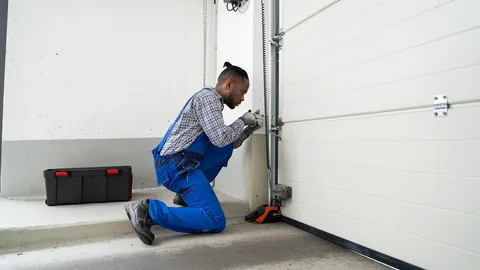
A garage door is both a moving piece of equipment and an important entry point to a property. Beyond strong panels and dependable locks, integrated garage security features can help control access and notify homeowners when a door is left open. However, these features are only effective when the door closes properly, the opener responds reliably, and the hardware remains in good condition. A secure garage starts with a dependable mechanical system that protects the opening while allowing convenient everyday access.
Garage doors experience considerable wear because of their weight, moving components, and frequent operation. Springs, cables, rollers, tracks, and openers work together every time the door moves. When one component starts failing, it can affect the entire system. Recognizing early warning signs and understanding available upgrades can help property owners avoid unexpected breakdowns and unnecessary security risks.
Why Small Garage Door Problems Can Become Security Concerns
Mechanical problems often develop gradually, making them easy to overlook until the door stops functioning. Unusual grinding sounds, uneven movement, delayed responses, and visible gaps around the opening can indicate that something needs attention.
A door that doesn’t close completely creates an obvious security concern, particularly when the garage connects directly to the home. Damaged tracks may prevent proper alignment, while worn rollers can interfere with smooth operation. Even something as simple as deteriorating weather seals can leave gaps around the door. Although these issues have different causes, they demonstrate why routine maintenance matters for both reliable operation and security.
When repairs become extensive, evaluating the entire system is often more practical than addressing individual components separately. Spring capacity, track configuration, opener compatibility, and available installation space all influence the appropriate solution. From replacing damaged hardware to installing an entirely new door, the range of garage door work handled through http://www.mammothdoor.com/ reflects how closely these decisions are connected. A properly matched system generally offers more dependable operation than one kept running through repeated, unrelated fixes.
Modern Openers Do More Than Raise and Lower Doors
Garage door openers have evolved considerably beyond basic remote-controlled motors. Many newer systems provide additional convenience through smartphone connectivity, programmable access, and security-related functions. These capabilities can make daily access easier to manage, particularly in households where several people use the garage.
Some connected openers allow users to check whether the door is open or closed without being physically present. Depending on the model and configuration, they may also provide activity notifications, scheduled closing, or temporary access permissions. These features can be particularly useful when deliveries, visitors, or household members need access at different times.
However, smart technology doesn’t eliminate the need for dependable hardware. A connected opener cannot compensate for damaged cables, incorrectly balanced springs, or misaligned tracks. Before upgrading, the existing door should be inspected to confirm that it operates smoothly and that the opener is appropriately matched to its weight and configuration.
Knowing When to Repair or Replace a Garage Door
Not every garage door problem requires a complete replacement. Many operational issues can be resolved by replacing worn rollers, adjusting tracks, repairing opener components, or addressing damaged hardware. The appropriate decision depends on the door’s age, condition, repair history, and the extent of the damage.
A relatively new door with an isolated mechanical problem may be a good candidate for repair. Conversely, a heavily deteriorated door with recurring failures, structural damage, or outdated hardware may justify replacement. Repeated repairs can become expensive, especially when multiple components are approaching the end of their useful service life.
Replacement also provides an opportunity to consider insulation, durability, appearance, and security. Different panel materials, window configurations, and construction methods affect how a door performs. The choice should reflect the property’s requirements rather than appearance alone. An attractive door that is poorly matched to its opening or operating conditions may create avoidable maintenance problems.
Building a Practical Garage Door Maintenance Routine
Preventive maintenance helps identify developing problems before they interfere with everyday access. Property owners can regularly observe the door during operation, listen for unusual noises, inspect visible components for damage, and check that the opening remains clear of obstructions.
Safety features deserve particular attention. Photoelectric sensors should be correctly positioned and functioning, while the automatic reversal system should respond appropriately during testing according to the manufacturer’s instructions. Weather seals, hinges, and rollers should also be inspected periodically for visible deterioration.
Some maintenance tasks require professional assistance. Garage door springs and cables operate under substantial tension and can cause serious injuries if handled incorrectly. Adjustments or replacements involving these components should be left to trained technicians rather than attempted as routine household repairs.
A More Reliable Garage Starts With the Entire System
Garage door security and reliability are closely connected. A modern opener adds useful capabilities, but those features work best when supported by properly installed and maintained mechanical components. Likewise, a sturdy door offers limited practical value if damaged hardware prevents it from closing consistently.
The most effective approach is to address mechanical problems promptly, evaluate upgrades based on actual needs, and maintain the complete system rather than focusing on individual parts. Whether the goal is preventing an unexpected breakdown, improving access control, or replacing aging equipment, careful planning can keep the garage safer, more convenient, and easier to maintain over time.
