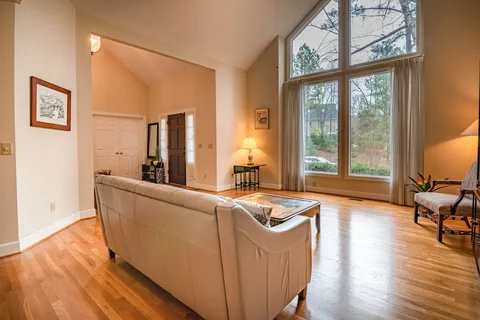
A comfortable home depends on more than attractive furniture and fresh paint. Floors and windows influence how rooms look, feel, and perform throughout the year. Scratched hardwood can make an otherwise attractive interior appear neglected, while poorly sealed windows may contribute to drafts, excess heat, and moisture problems. For floors that remain structurally sound, sanding and refinishing from premier hardwood flooring of greensboro, nc can restore their appearance without replacing usable boards. Knowing when to repair, refinish, or replace these features helps homeowners spend renovation budgets more effectively.
Start with a room-by-room inspection
Before committing to renovations, identify the problems that affect everyday comfort. Walk through each room and inspect the flooring near entrances, windows, and frequently used furniture. Look for deep scratches, loose boards, raised edges, discoloration, and soft spots. Surface wear may only require refinishing, while persistent moisture damage, rot, or significant movement can indicate more serious problems.
Check windows for drafts, damaged weatherstripping, difficult operation, and condensation between glass panes. Moisture trapped between panes often indicates a failed insulated glass seal, while condensation on the room-facing surface may be related to indoor humidity. Record which windows have problems and whether they occur during rain, cold weather, or strong sunlight. These observations help distinguish isolated repairs from situations where replacement makes more sense.
Protect existing floors during window replacement
Replacing windows can introduce risks to surrounding surfaces, particularly when hardwood extends directly beneath the work area. Removing old frames, adjusting openings, and installing trim can generate dust, debris, and accidental impacts. Even a small amount of water entering an exposed opening can damage an unprotected wood floor.
Before installation begins, ask contractors how they protect finished flooring and nearby furniture. Rigid floor protection may be appropriate in areas where workers carry tools or heavy window units. Protective coverings should be compatible with the floor finish, and adhesive should never be applied directly to hardwood without confirming it is safe. Details about floor protection, trim repairs, and cleanup can also be useful when assessing reviews of The Window Depot Ft Myers LLC, particularly when customers describe specific installation experiences rather than giving only an overall rating.
Choose windows with your flooring in mind
Natural sunlight makes rooms feel brighter, but prolonged exposure can change the appearance of hardwood. Depending on the wood species and finish, ultraviolet radiation and visible light may cause fading or darkening. These changes become particularly noticeable when rugs or furniture are moved.
When comparing replacement windows, examine the glass specifications rather than relying only on appearance. Low-emissivity coatings can reduce heat transfer, and some glazing options also limit ultraviolet exposure. Check the window’s National Fenestration Rating Council (NFRC) label for its U-factor, solar heat gain coefficient, and visible transmittance.
A lower U-factor indicates less heat transfer through the window. A lower solar heat gain coefficient generally reduces incoming solar heat, which may be desirable in rooms exposed to intense afternoon sunshine. The appropriate balance depends on climate, window orientation, and heating or cooling needs.
Window coverings provide another layer of protection. In rooms receiving strong direct sunlight, adjustable shades can limit exposure during peak hours without keeping the space dark all day. Periodically repositioning rugs and furniture may also help reduce uneven changes in flooring color.
Schedule projects to avoid unnecessary repairs
The order of renovation work matters when flooring and windows are being updated together. In most cases, completing window replacement before hardwood refinishing is more practical. Window installers may disturb interior trim, produce debris, or need access to areas that would otherwise have newly finished floors.
A useful sequence is to complete window installation, address any drywall or trim repairs, inspect the surrounding areas for moisture, and then begin flooring work. This approach reduces the likelihood of damaging a fresh floor finish during later construction.
If new flooring is being installed, follow the manufacturer’s requirements for subfloor moisture testing and material acclimation. Wood expands and contracts as moisture conditions change, so rushing installation can contribute to gaps, cupping, or other movement.
For refinishing projects, ask how long the chosen finish needs before foot traffic, furniture placement, and rugs are permitted. These timelines vary by product. Moving furniture back too early can leave marks or interfere with proper curing.
Compare renovation estimates carefully
A low estimate doesn’t always represent the lowest overall project cost. Two contractors may quote different prices because their proposals include different materials, preparation requirements, or finishing work.
For hardwood refinishing, request a written estimate identifying the areas included, necessary repairs, sanding process, stain options, finish type, and number of coats. Ask whether the contractor will prepare a sample area so you can see how the selected stain looks on the existing wood.
For windows, compare the exact product specifications, installation method, insulation, flashing, sealing, trim work, and disposal of old units. Confirm whether the estimate includes repairing surrounding surfaces disturbed during installation.
Warranty coverage also deserves attention. Separate product warranties from workmanship warranties, and clarify who handles problems discovered after installation. Written details make competing proposals easier to evaluate and help prevent unexpected charges.
Maintain comfort after the renovation
Finished hardwood needs consistent care to preserve its appearance. Use cleaning products approved for the particular floor finish, place protective pads beneath furniture, and remove spills promptly. Avoid excessive water during cleaning, as moisture can enter joints and damage wood.
Indoor humidity also affects hardwood performance. Monitor conditions with a hygrometer and follow the flooring manufacturer’s recommended humidity range. Address window leaks or condensation problems promptly, especially where water could reach flooring or baseboards.
Windows require occasional maintenance as well. Keep tracks and drainage openings clear, inspect weatherstripping, and check for cracked sealant or moisture around frames. Difficulty opening or locking a window should be investigated before forcing its hardware.
Well-planned flooring and window upgrades can improve both the appearance and daily usability of a home. By inspecting existing conditions, choosing suitable materials, coordinating installation work, and maintaining the finished surfaces, homeowners can avoid unnecessary replacements and protect their investment for years to come.
