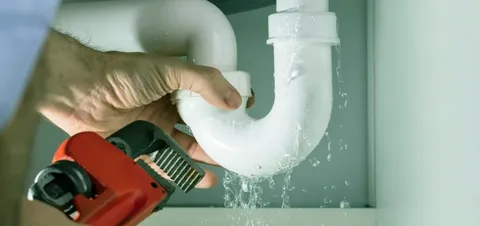
Leaks beneath concrete foundations often develop without obvious warning signs. A rising water bill, an unexplained damp spot, or an unusually warm section of flooring may be the first indication that something is wrong. Because the source is not always visible, local help for under home pipe leaks may be necessary to determine where water is escaping. The appropriate repair depends on the location of the leak, the condition of the existing pipes, and the extent of the damage.
Why hidden pipe leaks are difficult to recognize
Unlike a leaking faucet or an exposed pipe, a damaged water line beneath a concrete slab offers few immediate clues. Water can travel through surrounding soil, follow small openings in concrete, or collect beneath flooring before becoming visible. Consequently, the wet area inside a building may be several feet from the actual pipe failure.
Some warning signs are particularly useful. Unexplained warm spots on the floor may indicate a leaking hot-water line, while reduced water pressure can suggest water escaping somewhere in the system. A water meter that continues registering usage when all fixtures and water-consuming equipment are off may also indicate a leak. However, none of these symptoms confirms a slab leak by itself.
Finding the source before breaking concrete
Accurate detection is essential because removing flooring or cutting into a slab without knowing the leak’s location can create unnecessary repair work. Plumbers may use acoustic listening equipment to identify sounds produced by escaping pressurized water. Pressure testing can help isolate the affected plumbing section, while thermal imaging may reveal temperature differences associated with certain leaks.
Once the damaged area is identified, attention turns to the condition of the pipe and the available repair methods. A small puncture in otherwise sound piping presents a different problem from widespread corrosion or a failing joint. Repair clamps can seal certain localized defects, while couplings connect replacement pipe sections to existing lines. Even a fitting obtained through http://store.blairsupplyusa.com must match the pipe’s outside diameter, material, and operating pressure. These details determine whether a connection is suitable for the particular repair.
When repair clamps and couplings make sense
Repair clamps are designed to seal specific types of damage without necessarily replacing an entire pipe section. Some surround the affected area and use a gasket to create a watertight seal. They can be practical for isolated punctures or cracks when the surrounding pipe remains structurally sound and the fitting is approved for the application.
However, a clamp is not automatically the right solution for every buried residential water line. Some products are designed primarily for larger utility pipes, while others have restrictions involving pressure, pipe material, or underground installation. Accessibility and local plumbing requirements also matter, particularly when the repaired connection will become difficult to inspect.
Couplings serve a different purpose. When a damaged section must be removed, compatible couplings can connect a new length of pipe to the remaining system. This approach is often appropriate when damage extends beyond a single small opening, provided the adjoining pipe is still in good condition.
Sometimes neither method offers the most practical long-term solution. If an older line has deteriorated in several places, repairing one leak may leave other weak sections untouched. Rerouting the water supply through a more accessible location or replacing a longer pipe section may reduce the likelihood of repeated excavation.
Repairing the pipe is only part of the process
Stopping the leak does not immediately eliminate the moisture already present beneath the floor. Water may remain trapped in surrounding materials, insulation, or flooring. Depending on the severity and duration of the leak, additional drying and moisture assessment may be necessary before damaged surfaces are restored.
The repaired plumbing should also be tested before the affected area is closed. Pressure testing and careful examination of the new connections help confirm that the leak has been addressed. Where concrete was removed, proper backfilling and surface restoration are important to avoid leaving unsupported areas or damaging the replacement pipe.
A thorough repair considers both the plumbing and the surrounding building materials. Replacing flooring too early, while the underlying structure remains damp, can conceal moisture problems rather than resolve them.
Reducing the risk of future underground leaks
Several conditions can contribute to buried pipe failures. Corrosion, excessive water pressure, ground movement, aging materials, and poor installation practices may gradually weaken a plumbing system. Understanding which factor contributed to the original leak can help determine whether additional preventive work is worthwhile.
Regular attention to water pressure, unexplained consumption changes, and recurring moisture problems can help identify trouble before it becomes extensive. Older systems may also benefit from a professional assessment of exposed piping and connections, particularly if previous repairs have revealed significant deterioration.
Ultimately, a successful underground pipe repair depends on more than sealing the visible damage. The location of the leak, condition of the existing plumbing, compatibility of replacement materials, and moisture left behind all influence the outcome. Taking time to evaluate these factors can prevent a minor pipe failure from becoming a recurring problem beneath the home.
If you suspect a hidden pipe leak, schedule a consultation with a licensed plumber. A professional can assess the warning signs, locate the source of the problem, and recommend an appropriate repair before further water damage occurs.
