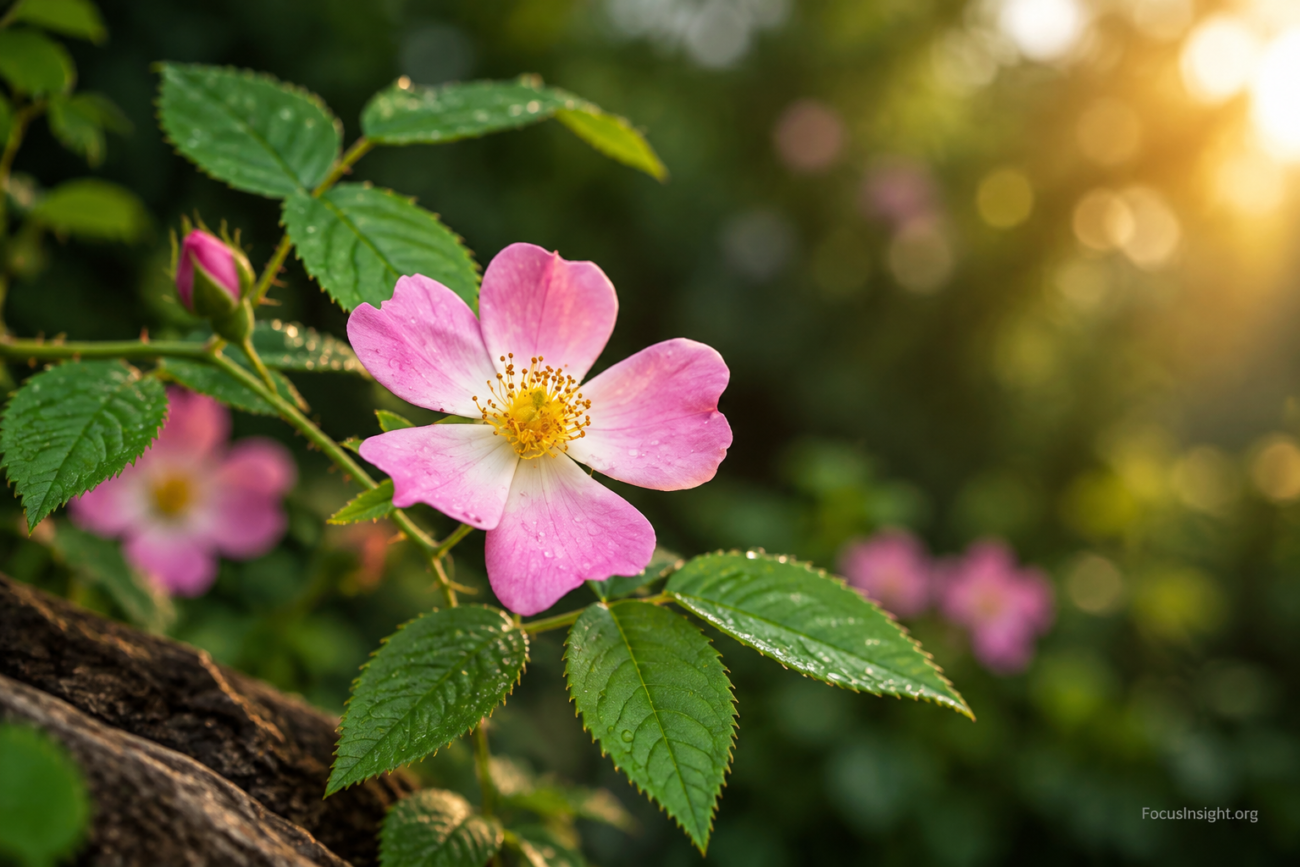
The prairie rose is a charming wildflower known for its delicate pink blooms, natural beauty, and ability to thrive in open landscapes. Native to parts of North America, this rose has long been valued for its role in gardens, wildlife habitats, and natural ecosystems.
Unlike many cultivated roses, the prairie rose has a simple, wild appearance. Its soft petals, sweet fragrance, and adaptability make it a favorite among gardeners who want to add a natural touch to outdoor spaces. This guide explains everything you need to know about the prairie rose, including its appearance, history, growing conditions, care requirements, and uses.
What Is a Prairie Rose?
The prairie rose is a wild rose species commonly known as Rosa arkansana. It is native to central and eastern regions of North America and is often found growing in prairies, grasslands, open woodlands, and roadside areas.
This plant belongs to the Rosaceae family, which includes many other rose species as well as plants such as apples, strawberries, and cherries.
The prairie rose is a hardy perennial shrub that spreads through underground stems called rhizomes. This growth habit allows it to form colonies and survive in challenging environments.
Prairie Rose Appearance and Characteristics
The prairie rose has a simple but attractive appearance that reflects its wild origins.
Flowers
The flowers are usually:
- Soft pink to rose-colored
- Around 5 centimeters wide
- Made up of five petals
- Centered with bright yellow stamens
- Lightly fragrant
The blooms usually appear in late spring or early summer, depending on the climate and growing conditions.
Leaves
The leaves of the prairie rose are divided into several smaller leaflets. They are generally green and have a slightly textured surface.
Stems and Growth
Prairie rose stems are covered with small thorns, which help protect the plant from animals. The shrub typically grows low to the ground and can spread horizontally through its root system.
Fruit
After flowering, the plant produces small red fruits called rose hips. These fruits provide food for birds and other wildlife, especially during colder months.
Where Does Prairie Rose Grow?
The prairie rose naturally grows across parts of North America, especially in regions with open grasslands and prairie environments.
It can commonly be found in:
- Prairies
- Grasslands
- Dry meadows
- Open forests
- Sandy soils
- Roadsides
The plant is well adapted to areas with seasonal changes, including cold winters and warm summers.
Because of its strong root system, the prairie rose can survive drought conditions better than many garden roses.
History and Cultural Importance of Prairie Rose
The prairie rose has historical importance in several regions of North America.
In some areas, native communities used parts of wild roses for traditional purposes. Rose hips were valued as a natural food source because they contain nutrients, while flowers were appreciated for their beauty and fragrance.
The prairie rose is also recognized as an important symbol in regional history. For example, the wild prairie rose is the official state flower of North Dakota in the United States.
Its connection with native landscapes has made it an important plant for conservation and natural gardening projects.
How to Grow Prairie Rose
Prairie roses are relatively easy to grow when planted in suitable conditions. They are a good choice for gardeners who want a low-maintenance native plant.
Choosing the Right Location
Prairie roses grow best in areas with:
- Full sunlight
- Good air circulation
- Well-drained soil
- Enough space for spreading
A location receiving at least several hours of direct sunlight each day usually supports healthy growth.
Soil Requirements
This plant can tolerate different soil types but prefers:
- Sandy or loamy soil
- Moderate fertility
- Good drainage
It does not require highly rich soil and can perform well in natural garden settings.
Planting Prairie Rose
When planting prairie rose:
- Choose a sunny location.
- Prepare soil with good drainage.
- Place the plant at the same depth as it was growing previously.
- Water after planting to help roots establish.
- Allow enough space for spreading growth.
Once established, prairie roses usually require less maintenance.
Prairie Rose Care Tips
Although prairie roses are hardy plants, proper care can improve flowering and overall health.
Watering
Young plants need regular watering while developing roots. Mature plants are more drought tolerant and usually need less frequent watering.
Avoid keeping the soil constantly wet because excessive moisture can cause root problems.
Pruning
Pruning can help maintain shape and remove:
- Dead branches
- Damaged stems
- Old growth
The best time for pruning is often after flowering or during the dormant season.
Fertilizing
Prairie roses generally do not require heavy fertilization. Too much fertilizer may encourage leaf growth instead of flowers.
A small amount of compost can help improve soil quality when needed.
Benefits of Prairie Rose in Gardens
The prairie rose offers several benefits for natural and traditional gardens.
Supports Wildlife
The flowers attract pollinators such as bees and butterflies. Later, the rose hips provide food for birds and other wildlife.
Low Maintenance
Compared with many ornamental roses, prairie roses are naturally adapted to local conditions and often need less care.
Natural Beauty
Their soft pink flowers create a relaxed, countryside appearance that works well in:
- Wildflower gardens
- Native plant gardens
- Cottage-style landscapes
- Pollinator gardens
Prairie Rose vs Garden Roses
Although both belong to the rose family, prairie roses and cultivated garden roses have noticeable differences.
| Feature | Prairie Rose | Garden Roses |
|---|---|---|
| Growth style | Wild, spreading shrub | Often carefully shaped |
| Maintenance | Low | Usually higher |
| Flowers | Simple five-petal blooms | Many cultivated varieties |
| Environment | Natural landscapes | Designed gardens |
| Wildlife value | High | Depends on variety |
Prairie roses provide a more natural appearance, while garden roses are often selected for larger flowers, colors, and specific characteristics.
Common Problems When Growing Prairie Rose
Prairie roses are generally resilient, but they can experience some common issues.
Powdery Mildew
This fungal problem appears as a white coating on leaves. Good airflow and proper spacing can help reduce the risk.
Aphids
Small insects may gather on young growth. Natural predators such as ladybugs often help control them.
Overcrowding
Because prairie roses spread through underground stems, they may need occasional thinning if they become too large for their location.
Uses of Prairie Rose
The prairie rose has several practical and ecological uses.
Landscaping
It is commonly planted in native landscapes because it provides flowers, texture, and seasonal interest.
Wildlife Gardens
Its flowers and rose hips make it useful for supporting birds and pollinators.
Conservation Projects
Native plants like prairie rose can help restore natural habitats and preserve regional plant diversity.
Is Prairie Rose Suitable for Home Gardens?
Yes, prairie rose can be a good choice for many home gardens, especially for people who prefer natural, low-maintenance plants.
It works especially well for gardeners who want:
- Native plants
- Wildlife-friendly spaces
- Drought-tolerant options
- A traditional wildflower appearance
However, gardeners should consider its spreading habit and provide enough room for growth.
Conclusion
The prairie rose is a beautiful native flower that combines simplicity, strength, and ecological value. Its soft pink blooms, wildlife benefits, and ability to survive in natural environments make it a special addition to landscapes.
Whether grown in a native garden, used in conservation projects, or appreciated in the wild, the prairie rose represents the beauty of natural landscapes. With proper sunlight, soil, and space, this hardy plant can thrive for many years while supporting the environment around it.
