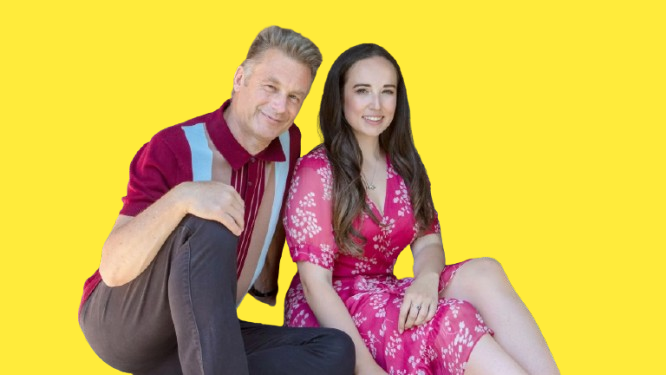
Megan McCubbin is a British zoologist, wildlife presenter, author, photographer, and conservationist who has built a career around making science and nature accessible to a broad audience. She is best known for programs including BBC’s Springwatch, Winterwatch, and Animal Park, but her work extends well beyond television.
Her career combines academic training in zoology with wildlife research, conservation projects, science communication, photography, writing, and environmental campaigning. She has also taken on leadership and ambassadorial roles with conservation organizations, including the Hampshire & Isle of Wight Wildlife Trust and the RSPB.
Early Interest in Wildlife
McCubbin developed an interest in wildlife from an early age. Her childhood was closely connected with the Isle of Wight Zoo, where she was exposed to rescued and rehabilitated animals and developed a strong interest in animal welfare and conservation. Later, she gained practical experience through wildlife projects worldwide.
Her international experiences included conservation-related work in China, Namibia, and the Bahamas. Early projects included animal rehabilitation in China and research into shark behavior at the Bimini Biological Field Station in the Bahamas.
These experiences helped shape a career that combines field experience with public communication.
Education and Zoology Career
McCubbin studied Zoology at the University of Liverpool and graduated with a BSc (Hons) in 2018. The university describes her as a zoologist, TV presenter, and conservationist, and she has subsequently been recognized among its alumni.
Her time at Liverpool was particularly important for her development as a science communicator. According to her university alum profile, she found supportive lecturers and became increasingly interested in communicating scientific information to wider audiences.
She has also spoken about experiencing difficulties with traditional science education because of dyslexia. Her university experience helped her develop confidence in science and encouraged her belief that people from different backgrounds should have opportunities to enter scientific fields.
Beginning a Career in Television
McCubbin’s television career developed alongside her conservation interests. One of her early opportunities came through the BBC Three program Undercover Tourist, where she contributed to an investigation into the illegal bear bile trade after volunteering with rescued bears in China.
She subsequently worked as a wildlife researcher and presenter and became involved with environmental programming. Her work has included reporting for Al Jazeera’s Earthrise, a program focused on environmental and sustainability issues. Rainforest Concern also notes her early television work examining wildlife persecution and environmental problems.
This combination of scientific knowledge and broadcasting became a defining feature of her career.
Springwatch and Wildlife Broadcasting
McCubbin became widely recognized through the BBC’s Springwatch program. She began presenting alongside her stepfather, naturalist Chris Packham, and became associated with Springwatch, Autumnwatch, and Winterwatch.
BBC program records confirm her role as a presenter on Springwatch in 2022 and 2023 and on Winterwatch.
Her broadcasting work is not limited to simply presenting wildlife stories. McCubbin has described herself as more of a science communicator than a conventional presenter, emphasizing speaking with scientists, researchers, rangers, and local people, then explaining their knowledge to a wider audience.
She has also presented Animal Park, a BBC program filmed at Longleat, where she has appeared alongside other established wildlife presenters. BBC program records list her as a presenter of the series.
Conservation and Environmental Advocacy
Conservation is central to McCubbin’s professional work. Rather than treating broadcasting as separate from conservation, she uses television, writing, photography, and public appearances to encourage greater interest in biodiversity and environmental protection.
She has worked with organizations involved in rainforest conservation, wildlife protection, and nature education. Rainforest Concern appointed her as an ambassador in 2021, highlighting her experience with wildlife projects and her ability to raise awareness of rainforest conservation.
She is also an RSPB ambassador. The organization describes her as a zoologist, author, and wildlife TV presenter and highlights her interest in encouraging people to engage with nature and biodiversity.
Her conservation advocacy has included public discussions about biodiversity loss, climate change, threatened species, and the importance of involving communities in protecting nature.
President of Hampshire & Isle of Wight Wildlife Trust
One of McCubbin’s significant conservation roles is her appointment as President of the Hampshire & Isle of Wight Wildlife Trust in November 2022, where her experience in conservation and science communication helps engage wider audiences and promote nature protection initiatives.
She was appointed in November 2022, succeeding John Collman. The Trust said her experience in conservation and science communication would help it engage wider audiences and encourage greater participation in nature protection.
The role has continued beyond her initial appointment. Trust records from 2023 and 2024 identify McCubbin as President, while a 2025 Trust report notes that she hosted the organization’s Wilder Awards.
As president, her involvement has included public engagement and support for conservation initiatives. In 2024, she joined other prominent conservation figures in the Restore Nature Now march in London, where she spoke in support of stronger action to protect and restore nature.
Writing and Books
McCubbin has also developed a career as an author.
Her first major book, Back to Nature: How to Love Life – and Save It, was co-written with Chris Packham and published in 2020. The book focuses on people’s relationship with the natural world and the need for practical environmental action.
In 2023, she published An Atlas of Endangered Species. The book examines threatened wildlife and the people working to protect endangered species. Its publisher, Hachette UK, describes it as a work combining natural history, conservation, and stories about scientists, rangers, and conservationists.
The book reflects an important part of McCubbin’s approach to conservation: explaining complex environmental issues through individual species and the people working to protect them.
Photography and Wildlife Work
Photography has long been part of McCubbin’s relationship with wildlife.
She won the under-12 category of the RSPCA Wildlife Photographer of the Year competition in 2007. Later, in 2019, she was appointed coordinator and judge of the Young Bird Photographer of the Year competition.
Her photography includes wildlife from around the world, with Antarctic photography among the areas most associated with her work.
Photography complements her broadcasting and conservation work by giving her another way to communicate wildlife’s beauty and vulnerability.
The Self-Isolation Bird Club
During the COVID-19 lockdown period in 2020, McCubbin and Chris Packham created the Self-Isolation Bird Club. The project provided regular wildlife-related broadcasts through social media at a time when many people were confined to their homes.
McCubbin later described the project as creating a strong community and helping people remain connected with nature during a difficult period.
The project demonstrated how wildlife communication could reach audiences outside traditional television programming.
Awards and Recognition
McCubbin’s achievements have been recognized by organizations connected with both science and conservation.
The University of Liverpool lists her as a recipient of a university Alumni Award and highlights her work as a scientist, presenter, and conservationist. Its 2026 alum material specifically identifies her as a BSc (Hons) Zoology 2018 graduate and Alumni Award Winner.
Her earlier recognition includes the RSPCA wildlife photography award she received as a child. Her professional profile has since expanded into television, conservation leadership, authorship, photography, and science communication.
Why Megan McCubbin’s Work Matters
McCubbin’s career stands out because it connects several areas that are often treated separately. Her scientific education provides the foundation, while television and writing allow her to communicate that knowledge to large audiences.
Her work demonstrates several complementary approaches to conservation:
- Science communication: explaining wildlife and environmental issues to general audiences.
- Television: bringing wildlife stories and conservation issues into mainstream programming.
- Conservation leadership: supporting organizations such as the Hampshire & Isle of Wight Wildlife Trust.
- Public engagement: encouraging people to take practical action for nature.
- Writing: exploring endangered species and conservation through books.
- Photography: using wildlife imagery to build appreciation for the natural world.
- Education: helping younger audiences develop an interest in science and nature.
Her role as a patron of Wonderseekers also reflects this educational focus. The charity says her involvement is intended to encourage curiosity about STEM, particularly through nature and science.
Conclusion
Megan McCubbin’s career has developed from an early interest in animals into a broad role spanning zoology, conservation, broadcasting, photography, authorship, and science communication.
Her work on Springwatch, Winterwatch, and Animal Park has introduced wildlife stories to television audiences. At the same time, her conservation roles with organizations such as the RSPB and Hampshire & Isle of Wight Wildlife Trust have given her opportunities to support nature protection more directly. Her books and photography extend that communication work beyond television.
Rather than being known only as a wildlife presenter, McCubbin has built a broader identity as a zoologist and conservation communicator, using different platforms to encourage greater understanding of and protection for the natural world.
