Introduction
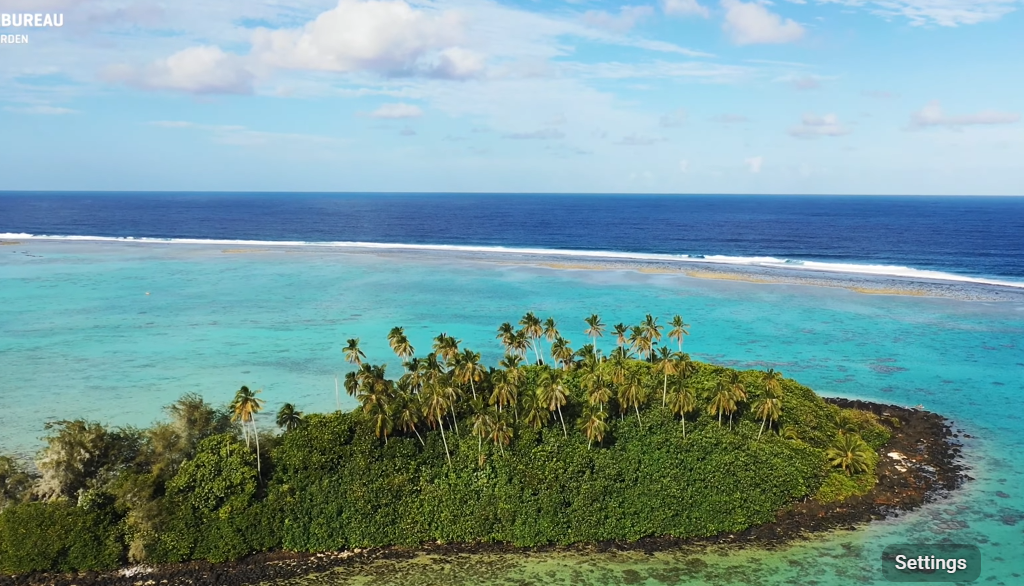
The Cook Islands, often written as Cook Øerne in Danish, are a remarkable group of islands in the South Pacific known for their beautiful landscapes, Polynesian heritage, and strong cultural identity. Made up of 15 islands scattered across a vast ocean, the country blends ancient traditions with modern island life.
Beyond their beaches and turquoise lagoons, the Cook Islands offer a fascinating story shaped by Polynesian exploration, European contact, colonial influence, and a journey toward self-governance. Today, the islands remain deeply connected to their language, customs, music, dance, and ancestral knowledge.
This guide explores the history, culture, traditions, and unique identity of the Cook Islands.
Where Are the Cook Islands Located?
The Cook Islands are located in the South Pacific Ocean, between French Polynesia and American Samoa. The island nation consists of 15 islands spread across a large ocean territory, with Rarotonga serving as the main island and the center of government and tourism.
The islands are divided into two main groups:
- Southern Group – Includes Rarotonga, Aitutaki, Atiu, Mangaia, and other volcanic islands.
- Northern Group – Mainly consists of coral atolls such as Manihiki, Penrhyn, and Pukapuka.
Although the land area is small, the surrounding ocean territory is enormous, making the Cook Islands an important example of a modern Pacific island nation.
Early History and Polynesian Heritage
The history of the Cook Islands begins thousands of years ago, when Polynesian voyagers traveled across the Pacific using advanced navigation skills. These early settlers developed communities based on fishing, farming, family connections, and traditional leadership systems.
Ancient Cook Islanders relied on knowledge passed through generations, including:
- Ocean navigation
- Canoe building
- Agriculture
- Traditional medicine
- Oral storytelling
- Spiritual practices
The concept of connection to ancestors, land, and ocean remains central to Cook Islands culture today. Traditional knowledge continues to influence community life and cultural preservation efforts.
European Exploration and the Name “Cook Islands”
European contact changed the islands’ history. Several European explorers visited the region, but the islands became associated with British navigator Captain James Cook, who visited parts of the island group in the 18th century. The name “Cook Islands” later became widely used.
European influence brought new political relationships, trade connections, and religious changes. Missionaries arrived during the 19th century, introducing Christianity and a written form of the local language. While missionary influence changed some traditional practices, many Polynesian customs survived and continue today.
The Path to Self-Government
The Cook Islands experienced several stages of outside administration before achieving self-government.
In 1901, the islands became part of New Zealand’s administration. Over time, local political structures developed, leading toward greater self-rule. On 4 August 1965, the Cook Islands became self-governing in free association with New Zealand.
Under this arrangement:
- The Cook Islands manage their own internal affairs.
- It maintains its own government and laws.
- Cook Islanders retain New Zealand citizenship.
- New Zealand assists with areas such as defense and certain international responsibilities.
This political model reflects the Cook Islands’ desire to maintain independence while preserving important connections with New Zealand.
Cook Islands Culture and Traditions
Culture is one of the strongest parts of Cook Islands identity. Traditional practices are still visible in everyday life, festivals, crafts, and community events.
Music and Dance
Traditional music and dance are essential expressions of Cook Islands culture. Performances often include:
- Drumming
- Singing
- Storytelling through movement
- Traditional costumes
Cultural performances are not only entertainment but also a way to preserve history and share stories about ancestors, nature, and island life.
Language
Cook Islands Māori, also known as Māori Kūki’ Āirani, is an important part of national identity. Different islands also maintain their own dialects and linguistic traditions.
Language preservation programs and cultural initiatives continue to support the use of Cook Islands Māori among younger generations.
Traditional Arts and Crafts
Cook Islands artisans are known for producing handmade cultural items, including:
- Tivaevae quilts
- Carved wooden objects
- Traditional clothing
- Woven items
- Shell jewellery
These crafts represent creativity, family connections, and knowledge passed from older generations to younger ones.
Important Cultural Celebrations
One of the most important cultural events in the Cook Islands is Te Maeva Nui, an annual celebration of self-government and national identity.
The festival features:
- Traditional dancing
- Music performances
- Island competitions
- Cultural displays
- Food and crafts
It gives communities from different islands a way to celebrate their shared heritage.
Daily Life in the Cook Islands
Life in the Cook Islands combines traditional values with modern influences. Community, family, and respect for nature remain central to society.
Many visitors notice the relaxed island lifestyle, where local markets, cultural events, and community gatherings play a major role.
Traditional food is also central to island culture. Common ingredients include:
- Fish
- Coconut
- Taro
- Fresh tropical fruits
- Local vegetables
Food traditions often bring families and communities together during celebrations and gatherings.
Tourism and Cultural Experiences
Tourism is an important part of the Cook Islands economy, but many visitors come for more than beaches and scenery. Cultural experiences allow travelers to learn about island history and traditions.
Popular cultural activities include:
- Village tours
- Traditional performances
- Local markets
- Church visits
- Craft demonstrations
The Cook Islands tourism sector promotes respectful cultural experiences that help visitors better understand local traditions and history.
Protecting Cook Islands Heritage
Preserving culture is a major priority for the Cook Islands. Government organizations, cultural groups, and communities work together to protect traditional knowledge, language, arts, and historical practices.
Modern cultural programs focus on:
- Teaching younger generations
- Protecting traditional skills
- Supporting artists and craftspeople
- Recording oral histories
- Promoting cultural education
These efforts help ensure that modernization does not replace the traditions that define Cook Islands identity.
Why the Cook Islands Are Culturally Unique
The Cook Islands stand out because they successfully combine ancient Polynesian traditions with modern national development. Their identity is shaped by:
- Strong ancestral connections
- Ocean-based traditions
- Indigenous language
- Community values
- Cultural celebrations
- A unique political relationship with New Zealand
Rather than viewing history as something from the past, Cook Islanders continue to use their heritage to guide the future.
Conclusion
The Cook Islands are much more than a tropical destination. They are a nation with a deep Polynesian history, vibrant traditions, and great cultural pride. From ancient navigation practices to modern self-governance, the islands represent resilience and adaptation.
For travelers and history enthusiasts, exploring the Cook Islands offers a chance to discover a unique Pacific culture where traditions, community, and nature remain closely connected.
