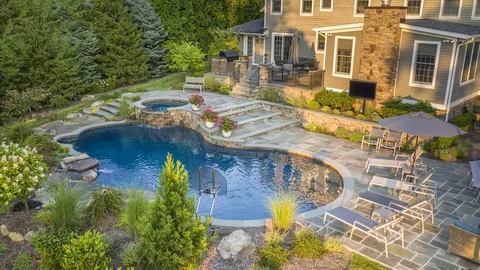
A backyard pool can change how people use their outdoor space, but getting the design right takes more than choosing an attractive shape. Whether you’re upgrading an existing swimming area or considering residential pool development from the ground up, the decisions made before construction will influence comfort, maintenance, and long-term enjoyment. Understanding the practical differences between building and remodeling is a useful place to begin.
Start With How You Want to Use the Space
Before discussing materials, finishes, or special features, think about what the pool should provide. Some households want an open swimming area for exercise, while others prefer shallow sections where people can relax and socialize. Families with children may have different priorities from homeowners who mainly want a quiet outdoor retreat.
These preferences should influence the pool’s dimensions, depth, and relationship to the surrounding yard. A large swimming area might sound appealing, but it could leave little room for seating or outdoor dining. Likewise, an elaborate design may be unnecessary when a smaller pool with comfortable access would better suit everyday routines.
Understand What Remodeling Can Accomplish
An existing pool doesn’t always need to be replaced to feel substantially different. Resurfacing can improve its appearance, while updated coping, decking, and lighting can give the entire area a more contemporary look. Homeowners may also consider adding a spa, water features, or new equipment, depending on the condition and structure of the original pool.
New construction offers greater freedom over the pool’s location, dimensions, and overall configuration. Custom in-ground planning, as practiced through http://reliefpools.com, involves developing a design around the homeowner’s preferences and reviewing a three-dimensional concept before construction begins. This approach illustrates the value of resolving layout questions early, particularly when significant structural changes are involved.
The choice between remodeling and rebuilding should ultimately depend on the existing pool’s condition. Cosmetic problems may be straightforward to address, but major structural damage, unsuitable dimensions, or recurring plumbing issues deserve a closer assessment. A professional inspection can help determine whether renovation makes practical and financial sense.
Look Beyond the Pool Itself
A successful project should account for the entire backyard rather than treating the pool as an isolated feature. Consider how people will move between the house, swimming area, seating spaces, and other outdoor facilities. Paths should be comfortable to use, with enough surrounding deck space for furniture and safe movement.
Drainage and ground conditions also deserve attention. Poorly directed runoff can create problems around decking and nearby structures. For new construction, soil conditions, underground utilities, property boundaries, and local building requirements may affect where a pool can be positioned.
Existing landscaping should be part of the discussion as well. Trees can provide welcome shade, but nearby roots, falling leaves, and overhanging branches may create maintenance concerns. Thoughtful placement can reduce these problems without sacrificing the yard’s natural character.
Choose Features That Serve a Purpose
Modern swimming pools can incorporate waterfalls, integrated spas, tanning ledges, lighting systems, and numerous decorative finishes. However, every additional feature should have a clear purpose.
A shallow lounging area might be useful for homeowners who enjoy relaxing in the water, while an attached spa could provide a separate place to unwind. Underwater lighting can make the swimming area easier to see after sunset, although its placement and electrical installation require careful planning.
Materials deserve similar consideration. Surface finishes vary in texture, appearance, maintenance requirements, and expected service life. Decking should be selected with wet-foot traction, sun exposure, and cleaning needs in mind. A material that looks impressive in a photograph may not be the most comfortable choice for a heavily used outdoor space.
Build a Budget Around the Entire Project
Pool costs extend beyond the visible structure. Excavation, plumbing, electrical work, filtration equipment, permits, decking, and landscaping can all affect the final price. Remodeling projects may also reveal hidden conditions once older finishes are removed or existing systems are inspected.
Requesting a detailed written scope helps homeowners understand what is included and which expenses might fall outside the original estimate. It is also worth setting aside a contingency for unexpected work, particularly when renovating an older pool.
Long-term operating costs matter too. Equipment efficiency, heating choices, water treatment, and cleaning requirements will influence what the pool costs to maintain after construction. Spending more on a suitable piece of equipment may be reasonable when it offers meaningful savings or easier maintenance over time.
Make Maintenance Part of the Design
An attractive swimming pool should also be manageable. Skimmer placement, circulation, filtration, and access to equipment all contribute to daily performance. Poor circulation can leave areas where debris collects, or water treatment becomes less consistent.
Before approving the final design, ask how the pool will be cleaned, how equipment will be serviced, and whether replacement components will remain accessible. Discuss appropriate barriers, covers, and other safety measures as required by local regulations.
Ultimately, the strongest pool projects balance appearance with practical use. Whether the work involves refreshing an existing structure or creating something entirely new, careful planning reduces avoidable complications. A pool designed around the property, the household’s habits, and realistic maintenance expectations is more likely to remain enjoyable long after construction is finished.
