Introduction
Robots have moved far beyond machines that only perform simple factory tasks. Today, modern robot technology combines artificial intelligence, sensors, automation, and advanced engineering to help people in industries, homes, healthcare, research, and many other areas.
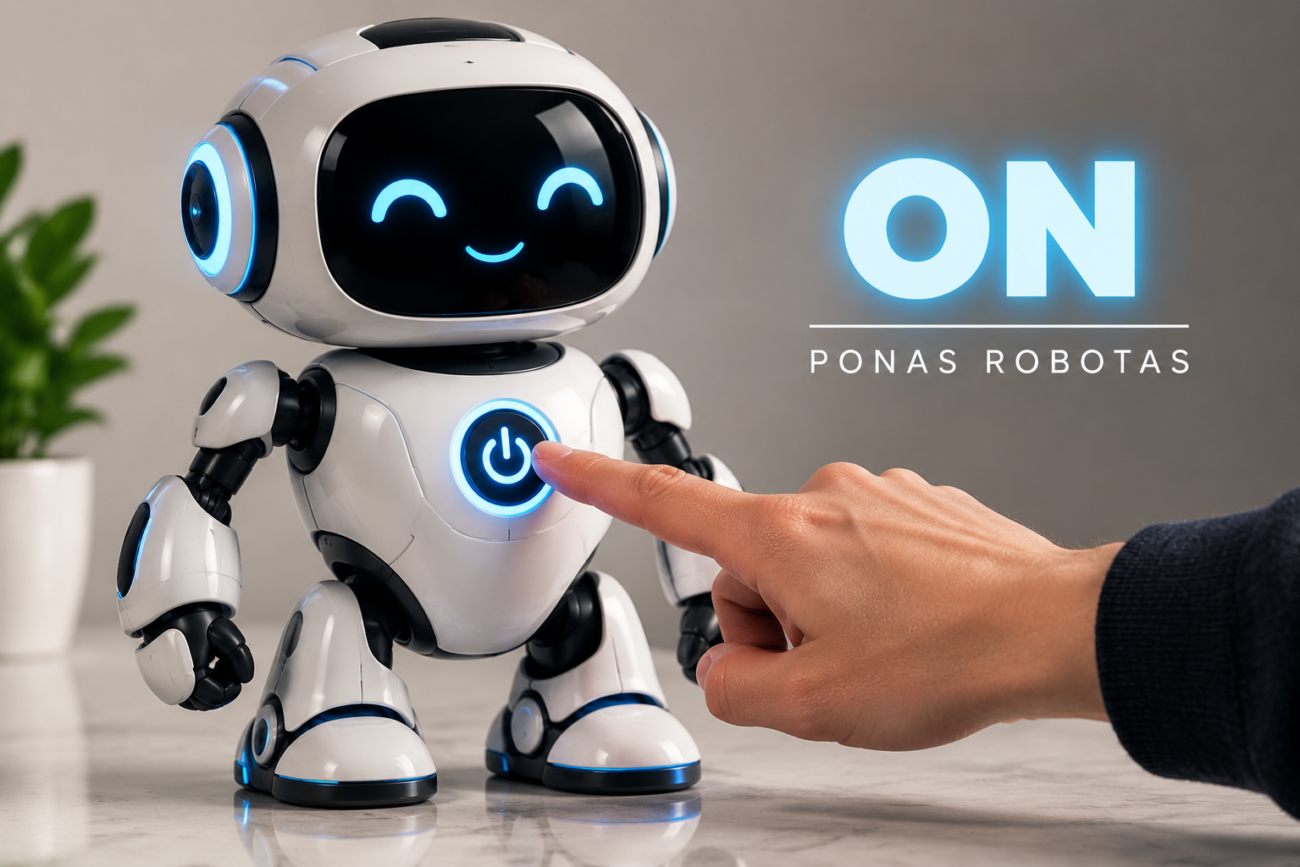
The term Ponas Robotas represents modern robotic innovation and the growing relationship between humans and intelligent machines. From industrial robots assembling products to service robots assisting people in daily activities, robotics is becoming an important part of the modern world.
This article explores how robot technology works, where robots are being used, the benefits they provide, and what the future may look like as robotics continues to develop.
What Is Modern Robot Technology?
Modern robot technology refers to the design and development of machines that can perform tasks automatically or with limited human control. Unlike traditional machines, many modern robots can collect information from their surroundings, process data, and make decisions based on programmed instructions or artificial intelligence systems.
A typical modern robot includes several important components:
- Sensors: Help robots detect objects, movement, temperature, distance, and environmental changes.
- Actuators: Allow robots to move their arms, wheels, or other mechanical parts.
- Control systems: Manage the robot’s operations and movements.
- Software and artificial intelligence: Enable robots to analyze information and complete complex tasks.
- Power systems: Provide the energy needed to operate.
Together, these technologies allow robots to perform tasks with increasing accuracy and efficiency.
The Evolution of Robots
The history of robotics has developed through several important stages. Early industrial robots appeared in manufacturing environments during the 20th century, mainly performing repetitive tasks such as welding and assembly.
Over time, advances in computing power and electronics made robots more flexible and intelligent. Modern robots can now work alongside humans, navigate environments, recognize objects, and adapt to changing situations.
Today’s robotics industry includes many different types of robots, including:
- Industrial robots
- Collaborative robots
- Medical robots
- Service robots
- Educational robots
- Autonomous mobile robots
- Humanoid robots
Each type is designed for specific purposes and environments.
How Artificial Intelligence Is Changing Robotics
Artificial intelligence is one of the most important technologies shaping modern robotics. AI lets robots process large amounts of information and improve performance through advanced algorithms.
For example, AI-powered robots can:
- Recognize objects and people
- Understand voice commands
- Navigate complex spaces
- Identify patterns
- Improve task performance through machine learning
However, most robots today still operate within specific limits. They are designed for particular tasks rather than having human-like intelligence or independent thinking.
The combination of AI and robotics is helping create machines that are more useful, adaptable, and efficient.
Common Applications of Modern Robots
Manufacturing and Industry
Manufacturing remains one of the largest areas for robot use. Companies use robots to improve production speed, accuracy, and workplace safety.
Industrial robots commonly perform tasks such as:
- Welding
- Painting
- Packaging
- Material handling
- Assembly
Robots are especially useful for repetitive or dangerous jobs that require precision.
Healthcare and Medicine
Robotics has also become valuable in healthcare. Medical robots can assist doctors, improve surgical precision, and support patient care.
Examples include:
- Surgical assistance systems
- Rehabilitation robots
- Hospital delivery robots
- Robotic prosthetics
These technologies are designed to support healthcare professionals rather than replace them entirely.
Homes and Personal Assistance
Consumer robots are becoming more common in homes. Some robots help with cleaning, security, entertainment, or personal assistance.
Examples include:
- Robotic vacuum cleaners
- Smart home devices
- Companion robots
- Educational robots for children
As technology improves, home robots may become better able to handle everyday tasks.
Agriculture
Robots are helping modern agriculture become more efficient. Agricultural robots can help monitor crops, harvest, and manage resources.
Robotic systems may help farmers by:
- Detecting crop conditions
- Reducing manual labor
- Improving farming accuracy
- Supporting sustainable practices
Space Exploration
Robots play a major role in exploring environments where humans cannot easily travel. Space agencies use robotic systems for missions involving planets, moons, and distant locations.
Robotic explorers can collect information, capture images, and perform scientific experiments in extreme conditions.
Benefits of Robot Technology
Modern robots provide several important advantages.
Increased Efficiency
Robots can perform many tasks quickly and consistently. In industries, this can improve productivity and reduce production delays.
Improved Safety
Robots can handle dangerous tasks involving extreme temperatures, chemicals, heavy materials, or unsafe environments.
Greater Accuracy
Robotic systems can perform precise movements that humans may struggle to repeat consistently.
Support for Human Workers
Robots are often designed to work together with people. They can handle repetitive tasks while humans focus on problem-solving, creativity, and decision-making.
Challenges of Modern Robotics
Although robotics offers many benefits, it also creates challenges that need careful consideration.
Cost and Accessibility
Advanced robots can require significant investment in development, maintenance, and training. Smaller businesses may find adoption difficult.
Employment Changes
Automation can change the nature of some jobs. While robots may replace certain repetitive tasks, they also create demand for new skills in programming, engineering, maintenance, and technology management.
Safety and Responsibility
As robots become more advanced, developers must ensure that robotic systems operate safely and responsibly.
Privacy Concerns
Robots with cameras, sensors, and data-processing abilities may collect information about their surroundings. Protecting personal data is an important consideration.
The Future of Robot Technology
The future of robotics will likely involve closer cooperation between humans and machines. Researchers are working on robots that are safer, more adaptable, and easier to use.
Future developments may include:
- More advanced humanoid robots
- Better human-robot interaction
- Smarter autonomous systems
- Improved medical robotics
- More efficient industrial automation
However, robotics development will continue to require careful planning, ethical guidelines, and responsible innovation.
Ponas Robotas and the Human-Robot Relationship
The idea behind Ponas Robotas represents more than just a machine. It reflects the changing relationship between humans and technology.
Modern robots are becoming tools that can assist people, improve productivity, and solve complex problems. The goal of robotics is not simply to create machines that imitate humans but to develop useful systems that work alongside people.
As robot technology advances, understanding how these machines function and how they affect society will become increasingly important.
Conclusion
Modern robot technology is transforming industries, healthcare, homes, and scientific exploration. Advances in artificial intelligence, sensors, and engineering are making robots more capable and valuable.
While challenges such as cost, safety, and employment changes remain, robotics continues to create new opportunities. The future of technology will likely depend on finding the right balance between human creativity and machine capability.
Ponas Robotas represents the ongoing journey of robotics — a world where intelligent machines support human progress and innovation.
