Introduction
The way people experience wildlife is changing. Traditional zoos have long provided opportunities to observe animals, learn about ecosystems, and support conservation efforts. However, advances in digital technology are creating new possibilities through virtual environments, augmented reality, artificial intelligence, and interactive simulations.
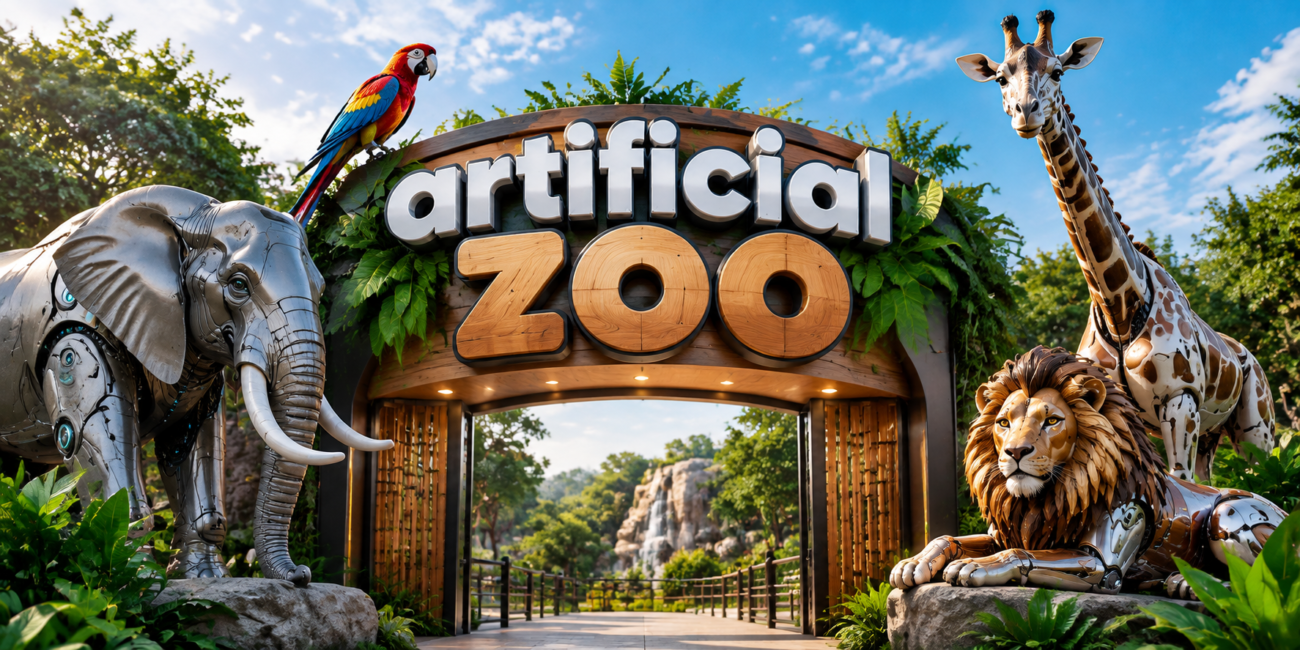
An artificial zoo is a technology-based wildlife experience that recreates animals, habitats, and natural environments using digital tools instead of keeping only physical animals in traditional enclosures. These experiences can allow visitors to explore wildlife from anywhere, observe extinct species through simulations, and learn about nature in more interactive ways.
Artificial zoos do not replace all traditional conservation efforts, but they represent a growing approach to education, research, and public engagement with wildlife.
What Is an Artificial Zoo?
An artificial zoo is a digital or technology-enhanced platform designed to simulate the experience of visiting a zoo. Instead of seeing only living animals in physical habitats, visitors interact with computer-generated animals, virtual ecosystems, or mixed-reality environments.
Artificial zoos may use several technologies, including:
- Virtual Reality (VR): Creates immersive digital environments where users can explore wildlife habitats.
- Augmented Reality (AR): Adds digital animals or information to the real-world environment through devices such as smartphones or AR glasses.
- Artificial Intelligence (AI): Helps create realistic animal behaviors and interactive experiences.
- 3D Modeling: Builds detailed digital versions of animals and ecosystems.
- Interactive Learning Systems: Allows visitors to study animals through games, simulations, and educational activities.
The goal is usually to provide wildlife education and experiences without relying only on physical animal displays.
How Artificial Zoos Work
Artificial zoos combine different digital technologies to create realistic wildlife experiences.
Digital Animal Models
Developers create detailed 3D models of animals using computer graphics. These models can include realistic movement, appearance, and behaviors based on scientific observations.
For example, a digital elephant can be programmed to show walking patterns, feeding behavior, and social interactions based on real animal research.
Virtual Habitats
Instead of a physical enclosure, artificial zoos can recreate entire ecosystems digitally. Visitors may explore forests, oceans, deserts, or ancient environments.
A person could experience an African savanna, observe marine life underwater, or explore a prehistoric landscape without traveling thousands of miles.
Artificial Intelligence-Based Interaction
AI can make digital animals more responsive. Some systems allow users to interact with virtual creatures that react differently depending on the visitor’s actions.
This technology can make educational experiences more engaging, especially for students.
Why Artificial Zoos Are Becoming Popular
Several factors are increasing interest in digital wildlife experiences.
Wildlife Education Without Geographic Limits
Many people cannot visit famous wildlife parks or natural environments because of distance, cost, or physical limitations. Artificial zoos can bring wildlife experiences to classrooms, homes, and museums around the world.
Students can study animals and ecosystems through interactive experiences rather than only reading about them.
Learning About Rare and Extinct Species
Digital technology can recreate animals that are difficult or impossible to observe.
Artificial environments can help people understand extinct species by creating educational simulations based on scientific evidence. These experiences can show how animals may have looked, moved, and interacted with their surroundings.
Reduced Dependence on Physical Displays
Traditional zoos have changed significantly over time, with many focusing more on conservation, research, and animal welfare. Artificial zoos provide another way to introduce wildlife without creating physical habitats for every species.
However, digital experiences cannot fully replace the role of conservation programs, wildlife rehabilitation, or scientific research involving living animals.
Benefits of Artificial Zoos
1. Better Accessibility
Artificial zoos can make wildlife education available to more people. Someone living far from a major zoo can still experience digital wildlife environments.
They can also support accessibility for people who may have difficulty traveling.
2. Interactive Learning
Digital experiences can encourage active participation. Instead of simply watching an animal, visitors may explore habitats, complete educational activities, or examine animal behavior.
Interactive learning can help people better understand environmental issues.
3. Conservation Awareness
Artificial zoos can highlight threats facing wildlife, including habitat loss, climate change, and species decline.
By showing ecosystems and animal behavior, these platforms can help encourage interest in protecting nature.
4. Safe Wildlife Observation
Digital environments allow close observation without disturbing animals. Visitors can study behaviors that would be difficult to witness in the wild.
Researchers and educators can also use simulations to explain complex ecological relationships.
Challenges of Artificial Zoos
Although artificial zoos offer many opportunities, they also have limitations.
Lack of Real Animal Experience
A digital animal cannot fully recreate the experience of observing a living creature. Real animals have unpredictable behaviors, physical presence, and biological complexity that simulations may not capture completely.
Technology Access
High-quality virtual experiences often require advanced equipment, strong internet connections, or expensive technology. This can limit access for some communities.
Accuracy Concerns
Creating realistic digital animals requires reliable scientific information. Poorly designed simulations may present incorrect behaviors or misleading information.
Developers need cooperation with wildlife experts, researchers, and conservation organizations to maintain accuracy.
Emotional Connection
Many people develop a strong connection when observing real animals. Digital experiences may create interest, but they may not always produce the same emotional impact as seeing wildlife in person.
Artificial Zoos and the Future of Wildlife Education
The future of artificial zoos will likely involve more advanced technologies and more realistic experiences.
Future systems may include:
- More realistic AI-powered animal behaviors
- Improved virtual reality environments
- Real-time wildlife data integration
- Educational experiences designed for schools
- Digital conservation campaigns
- Interactive global wildlife exhibitions
Museums, educational institutions, and conservation groups may increasingly use digital tools alongside traditional methods.
The most effective approach may not be replacing physical wildlife experiences but combining digital technology with real-world conservation.
Artificial Zoos vs Traditional Zoos
| Feature | Artificial Zoo | Traditional Zoo |
|---|---|---|
| Location | Available digitally from many places | Requires physical visit |
| Animals | Digital models and simulations | Living animals |
| Accessibility | Often easier for remote users | Limited by travel |
| Experience | Interactive and technology-based | Real-life observation |
| Conservation Role | Education and awareness | Research, breeding, rescue, conservation |
Both approaches can serve different purposes. Traditional zoos provide direct experiences with living animals, while artificial zoos expand access through technology.
The Role of AI in Digital Wildlife Experiences
Artificial intelligence is becoming an important part of creating realistic virtual wildlife.
AI can help developers:
- Model animal movements
- Create responsive digital environments
- Analyze wildlife data
- Improve educational interactions
However, AI systems depend on accurate information. Technology should support scientific understanding rather than replace professional wildlife research.
Are Artificial Zoos the Future of Animal Experiences?
Artificial zoos are likely to become an important part of future wildlife education. As technology improves, digital experiences may become more realistic, interactive, and widely available.
However, they should be viewed as a complement to real conservation efforts rather than a complete replacement for natural ecosystems or living animals.
The future of wildlife experiences may combine traditional conservation, scientific research, and digital innovation to help more people understand and protect the natural world.
Conclusion
Artificial zoos represent a new way to experience wildlife through technology. By combining virtual reality, artificial intelligence, and digital environments, they can make wildlife education more accessible and engaging.
While they cannot replace the complexity of real animals and natural habitats, artificial zoos offer valuable opportunities for learning, awareness, and conservation support. As digital technology continues to develop, these experiences may become an important tool for connecting people with wildlife in new ways.
