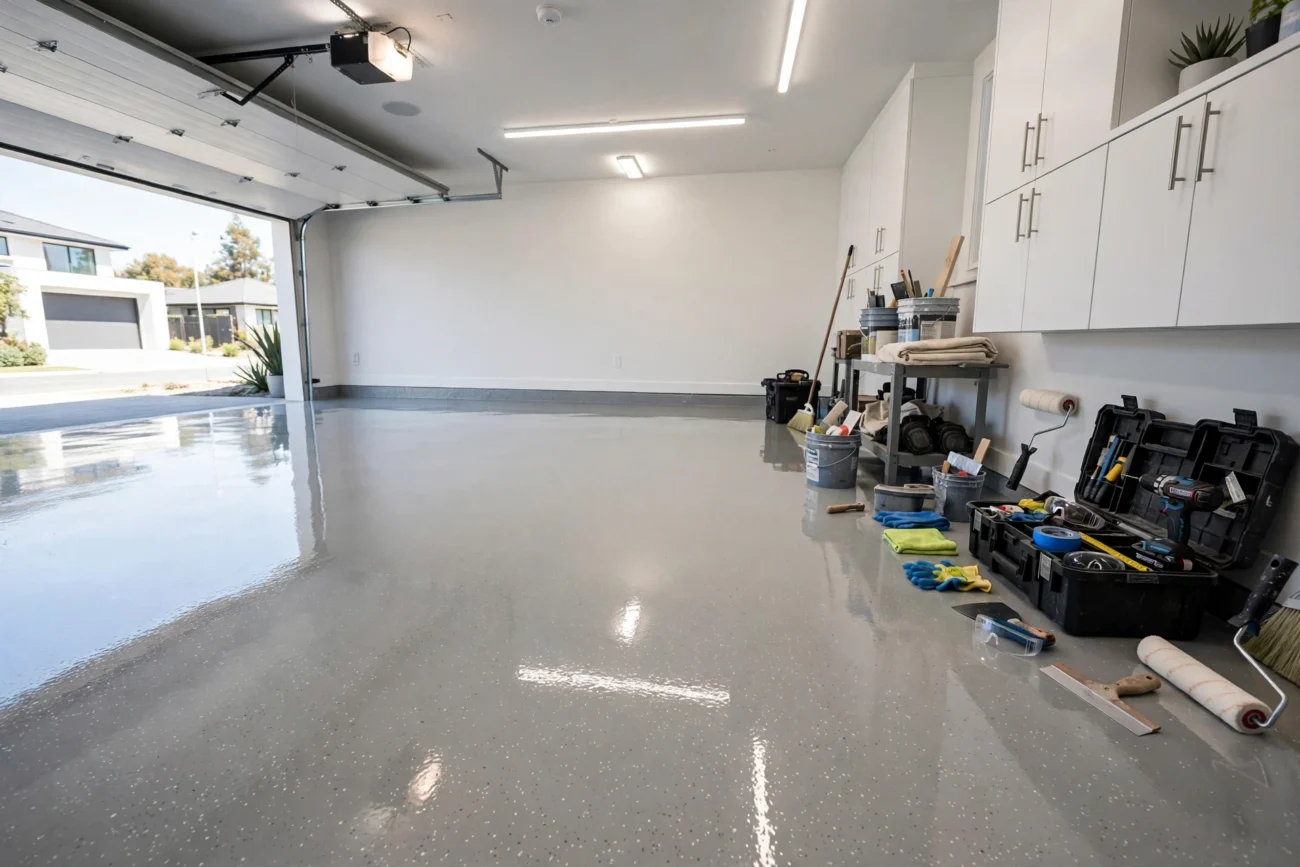
When considering a flooring upgrade for your home, residential epoxy flooring stands out as a durable and aesthetically pleasing option. In Ohio, where weather conditions can vary dramatically—from icy winters to humid summers—epoxy floors offer resilience and versatility suited to the region's climate. This article aims to guide homeowners through the essentials of epoxy floor installation, highlighting what to expect during the process. From the initial consultation to the final walkthrough, we will explore the stages of installation, the benefits of choosing epoxy, and crucial factors that can influence the overall outcome. Understanding the preparation needed, the types of epoxy available, and the installation techniques employed by professionals will empower homeowners to make informed decisions. Additionally, we will discuss maintenance tips to ensure the longevity of your new floors. With an increasing number of Ohio homeowners opting for this innovative flooring solution, it is essential to grasp the intricacies of the process to achieve the best results. By the end of this article, you will have a comprehensive understanding of what residential epoxy floor installation entails and how it can enhance the functionality and appearance of your home.
Overview of Residential Epoxy Floor Benefits
Residential epoxy floor installation in Ohio offers numerous advantages that enhance both the functionality and aesthetic appeal of a home. One significant benefit is the durability of epoxy flooring, which is resistant to stains, impacts, and wear over time. This resilience makes it an ideal choice for high-traffic areas, as it can withstand the rigors of daily life without showing signs of damage. Additionally, epoxy flooring is non-porous, which means it is easier to clean and maintain compared to traditional flooring options, promoting a healthier indoor environment.
Another key advantage is the versatility in design. Residential epoxy flooring comes in a variety of colors, patterns, and finishes, allowing homeowners to customize their spaces to reflect personal style and complement existing décor. The seamless surface provides a sleek look and eliminates the need for grout lines, which can harbor dirt and bacteria. Furthermore, epoxy can be applied over existing concrete floors, making it a cost-effective solution for transforming an area without the need for extensive renovations. Overall, choosing epoxy flooring for residential spaces in Ohio is a smart investment that combines practicality with aesthetic value.
Key Steps in Installation Process
The installation process of residential epoxy flooring involves several essential steps to ensure a successful outcome. Initially, the existing surface must be thoroughly cleaned and prepared, which may involve grinding or shot blasting to remove any previous coatings, adhesives, or imperfections. This preparation is crucial as it promotes optimal adhesion of the epoxy to the substrate. Once the floor is adequately prepped, any cracks or imperfections are filled to create a smooth surface, which contributes to the longevity and visual appeal of the finished floor.
Following preparation, the epoxy resin is mixed according to the manufacturer's specifications and carefully applied to the floor. This step often includes multiple layers, such as a primer, base coat, and topcoat, each requiring adequate drying time to achieve the desired strength and finish. Finally, finishing touches like decorative flakes or anti-slip additives can be included, providing both aesthetic and safety benefits. Proper curing of the epoxy is vital and usually takes several days, during which the floor must be kept free from foot traffic to ensure a durable and high-quality finish.
Maintenance Tips for Longevity and Durability
To ensure the lasting durability of residential epoxy flooring, regular maintenance is key. Routine cleaning with a pH-neutral detergent and a damp mop will help remove dirt and prevent scratches that can compromise the surface. It is advisable to avoid harsh chemicals and abrasive tools that could damage the epoxy finish. Additionally, placing mats at entryways and using furniture pads can minimize wear and tear, preserving the floor's integrity over time.
Periodic inspections for any signs of wear or damage are also important. Addressing minor issues promptly can prevent them from escalating into larger problems that may jeopardize the flooring’s lifespan. Ensuring proper ventilation and controlling humidity levels can further enhance the durability of residential epoxy floors, protecting them from moisture-related issues. By implementing these maintenance strategies, homeowners can enjoy the aesthetic and functional benefits of their epoxy floors for years to come.
In conclusion, residential epoxy floor installation in Ohio offers homeowners a durable, aesthetically pleasing, and low-maintenance flooring solution that can significantly enhance the value of their property. As discussed, the process involves careful preparation, professional application, and a variety of design options to suit individual tastes and needs. With its resistance to stains, chemicals, and wear, epoxy flooring stands out as a practical choice for both functional and decorative spaces. By choosing experienced professionals for installation, homeowners can ensure a high-quality finish that will endure for years to come. Ultimately, investing in epoxy flooring not only revitalizes your living space but also provides long-term benefits that make it a wise choice for any Ohio residence.
