Introduction
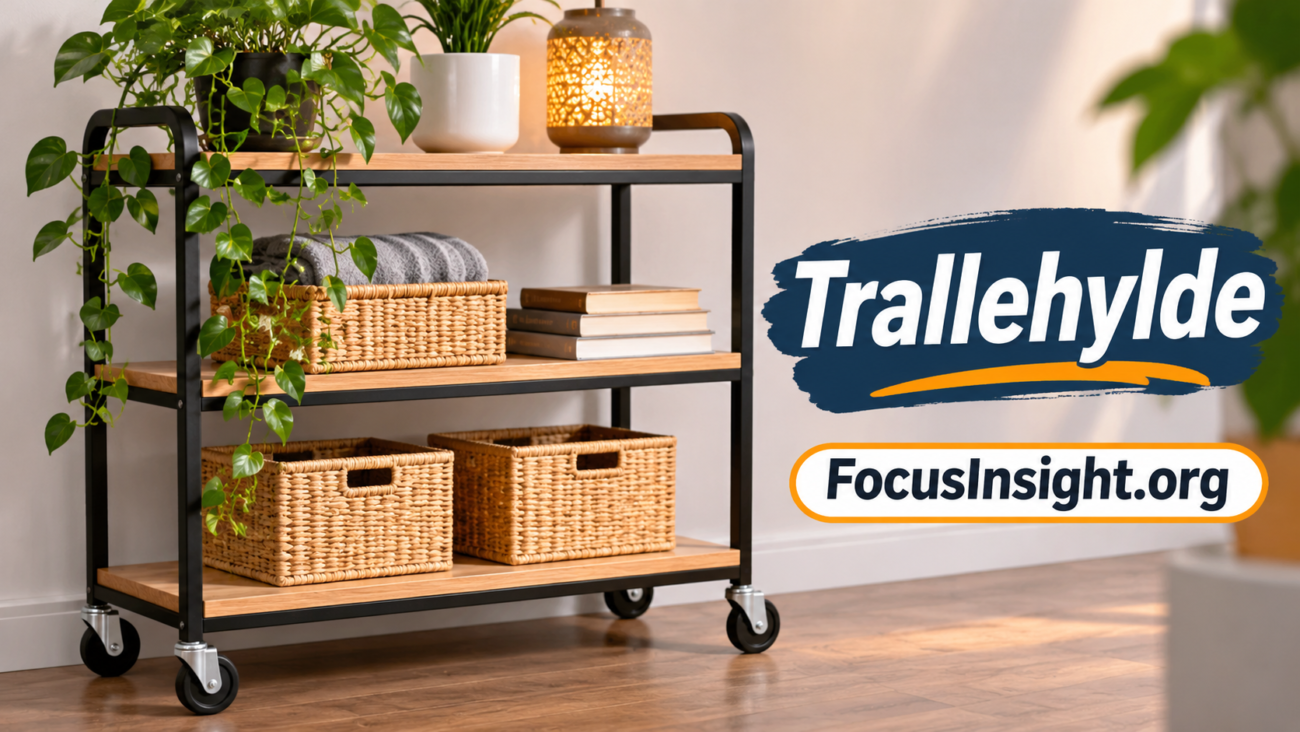
A well-designed shelf can make a home more organized while adding character to its interior. One example is the trallehylde, a Danish-inspired wooden shelving style featuring traditional slatted timber and reclaimed scaffold boards. It combines practical storage with a natural, rustic look that complements different interior designs.
Trallehylde is particularly interesting because it gives traditional construction materials another purpose. Instead of serving only their original practical function, wooden tralles can be transformed into decorative shelves and other furniture pieces.
Understanding its meaning, materials, available designs, and practical applications can help homeowners decide whether this type of shelving suits their spaces.
What Is Trallehylde?
Trallehylde is a Danish compound word for wooden shelving made from, or inspired by, traditional tralles. The word has two parts: tralle, meaning a slatted wooden platform or structure, and hylde, meaning shelf.
Traditionally, wooden tralles have been used as platforms on construction scaffolding. They consist of wooden pieces arranged together to create a functional surface. Their sturdy construction and distinctive appearance have also made them useful for furniture projects.
In modern interior design, a trallehylde generally refers to a rustic wooden shelf made from reclaimed scaffold boards or similar timber. Some designs preserve the original wood texture, while others use newly prepared timber to achieve a comparable appearance.
However, the term does not describe one standardized product. Different manufacturers may use different materials, dimensions, finishes, and mounting systems.
The Meaning and Background of Trallehylde
The background of trallehylde is closely connected to the practical use of timber in construction and furniture making.
Traditional wooden tralles were designed to provide working surfaces on scaffolding. Their original purpose was functional, not decorative. Over time, reclaimed construction materials became valuable resources for furniture makers looking to create distinctive household products.
This approach allows old timber to serve a different purpose. Instead of immediately discarding usable wooden components, furniture makers can transform them into shelves, benches, tables, and other interior accessories.
The resulting furniture often retains visible grain patterns, knots, natural color differences, and signs of previous use. These characteristics give each piece a unique look.
Today, Danish furniture retailers offer examples of rustic shelving made from reused tralles, demonstrating how traditional materials can be incorporated into contemporary homes.
Different Types of Trallehylde
Trallehylde designs can vary considerably depending on the materials, construction methods, and intended applications.
Here are some common styles associated with this type of shelving.
1. Rustic Wooden Trallehylde
Rustic wooden shelving emphasizes the natural appearance of timber. It may feature visible knots, uneven grain patterns, textured surfaces, and slightly varied wood colors.
This style works particularly well in interiors that include natural materials and traditional furniture.
Best uses:
- Living room decoration
- Displaying books and photographs
- Storing small household accessories
- Decorating empty wall spaces
2. Reclaimed Wood Shelving
Reclaimed wood shelving is made using previously used timber that has been prepared for another purpose.
The wood may retain some of its original character, including natural imperfections and variations in appearance. Before reuse, inspect, clean, and prepare the material appropriately.
This option can appeal to people who appreciate furniture made from reused materials.
Best uses:
- Rustic home interiors
- Farmhouse-inspired rooms
- Decorative wall storage
- Small home offices
3. Modern Oak Trallehylde
Some contemporary designs use oak or other carefully finished timber for a more refined look.
Compared with rough reclaimed boards, these shelves may have smoother surfaces, more consistent dimensions, and cleaner finishes.
Oak can complement modern interiors while maintaining the warmth associated with natural wood.
Best uses:
- Contemporary living rooms
- Bedrooms
- Home offices
- Decorative display areas
4. Industrial-Style Shelving
Industrial-style shelving combines wooden surfaces with metal brackets or supporting structures.
Dark metal fittings can contrast with natural timber, creating an industrial, workshop-inspired look.
The strength of this design depends on the quality of the wood, brackets, connections, and wall fixings.
Best uses:
- Home offices
- Workshops
- Modern apartments
- Industrial-inspired interiors
5. Multi-Level Wooden Shelving
Some trallehylde-inspired designs include multiple shelves arranged vertically.
This arrangement provides additional storage without requiring several separate wall installations. It can also create an organized display area for books, plants, decorative objects, and everyday accessories.
The overall dimensions and supporting structure should be selected according to the available space and intended load.
Practical Uses of Trallehylde
One of the main advantages of this shelving style is its versatility. A suitable design can serve both decorative and organizational purposes in different areas of a home.
Living Room
A wooden trallehylde can hold books, framed photographs, small plants, and decorative accessories.
Its natural look complements wooden furniture, neutral colors, and other natural materials. A carefully arranged shelf can also make an empty wall more visually interesting.
Kitchen
In the kitchen, wooden shelving can provide convenient storage for spice containers, cups, small jars, and selected cooking accessories.
However, the wood should have an appropriate protective finish because kitchens can expose furniture to moisture, grease, and occasional spills.
Heavy appliances and large kitchen items should only be placed on shelves with a suitable verified load capacity.
Bedroom
A compact trallehylde can work as a decorative or practical storage surface in a bedroom.
It can hold books, small lamps, photographs, and personal accessories. Wall-mounted versions are particularly useful when floor space is limited.
Bathroom
A properly protected wooden shelf can store towels, toiletries, and lightweight bathroom accessories.
Moisture is an important consideration. Untreated timber may absorb water, which can eventually affect its appearance and condition.
For this reason, choose a suitable finish and avoid placing the shelf where it receives constant direct water exposure.
Home Office
A trallehylde can help organize books, stationery, notebooks, and decorative office accessories.
It can also add storage without taking up valuable desk space. For heavier office equipment, check the shelf’s construction and manufacturer-rated capacity before use.
Practical Benefits of Trallehylde
Trallehylde offers several potential benefits when its construction and installation match the intended application.
1. Makes Better Use of Wall Space
Wall-mounted shelving can provide additional storage without taking up floor space.
This can be particularly useful in smaller homes, apartments, and rooms where furniture placement is limited.
Using vertical space also helps keep frequently used items accessible.
2. Adds Natural Character to Interiors
Wood has distinctive grain patterns, textures, and color variations.
A trallehylde can introduce these natural characteristics into a room. Reclaimed timber may also retain visible details that make individual shelves look different from one another.
3. Supports Material Reuse
Shelves made from reclaimed scaffold timber can give previously used materials another purpose.
Reusing suitable wood may reduce the demand for newly manufactured timber products. However, the environmental benefits depend on factors such as the material’s condition, processing, transportation, and the shelf’s expected lifespan.
4. Offers Flexible Storage
A wooden shelf can serve different purposes depending on its size and where it’s installed.
You can use it to display decorations, organize books, store small accessories, or keep everyday items within reach.
Some designs can also be combined to create larger storage arrangements.
5. Complements Different Interior Styles
Although trallehylde is associated with rustic wooden construction, it can work with several interior styles.
For example, natural timber can complement Scandinavian interiors, while darker metal fittings can create an industrial appearance.
A smoother wooden finish may also suit more contemporary spaces.
6. Can Be Maintained With Basic Care
Most properly finished wooden shelves require relatively simple maintenance.
Regular dusting, careful cleaning, and occasional inspection can help preserve their appearance. The appropriate maintenance method depends on the wood species and surface treatment.
Materials Commonly Used in Trallehylde
The material strongly influences a shelf’s appearance, durability, and maintenance requirements.
Reclaimed timber: Previously used wood that has been inspected and prepared for reuse. It often features natural imperfections and varied coloring.
Oak: A hardwood commonly used in furniture and shelving. It offers a distinctive grain pattern and a solid appearance.
Pine: A lighter softwood used for decorative and general-purpose shelving. Its surface may show knots and natural grain variations.
Metal fittings: Brackets and supporting structures made from metal can provide support and create an industrial-inspired appearance.
Protective finishes: Oils, waxes, paints, and suitable wood coatings can help protect the surface. The right choice depends on the material and intended environment.
Not every trallehylde includes all these materials. Buyers should check the actual product specifications rather than assuming that every design has the same construction.
How to Choose the Right Trallehylde
Selecting a suitable shelf involves more than choosing a design that looks attractive.
Consider the following factors before purchasing.
1. Measure the Available Space
Measure the intended installation area carefully. Consider the shelf’s length, depth, and height, along with nearby doors, furniture, and other obstacles.
A shelf that is too large can make a small room feel crowded.
2. Check the Wood Quality
Inspect the timber for cracks, loose sections, excessive warping, and other signs of damage.
For reclaimed materials, make sure the wood has been appropriately cleaned and prepared for indoor use.
3. Understand the Weight Capacity
Different shelves have different load limits.
The material alone does not determine how much weight a shelf can support. Its thickness, joints, brackets, wall type, and installation method also matter.
Always follow the manufacturer’s stated weight limit.
4. Select an Appropriate Finish
Choose a finish that suits the room and protects the timber from the conditions it will experience.
For example, kitchen and bathroom shelving may require better moisture protection than a decorative shelf in a dry living room.
5. Examine the Mounting System
Wall-mounted shelves require suitable brackets and fixings.
The correct installation method depends on the wall material, shelf construction, and expected load. Make sure the fixings suit the specific wall.
6. Consider Long-Term Maintenance
Some wooden surfaces require occasional oiling, while others have protective coatings that need different care.
Understanding these requirements before purchasing can help prevent unnecessary maintenance problems.
Trallehylde vs. Traditional Wooden Shelves
Trallehylde and conventional wooden shelves can serve similar purposes, but their construction and appearance may differ.
| Feature | Trallehylde | Traditional Wooden Shelf |
| Main material | Often reclaimed or slatted timber | Various wood types |
| Appearance | Frequently rustic and textured | Can be rustic or modern |
| Construction | Inspired by wooden tralles | Usually conventional board construction |
| Design | Often emphasizes natural character | Available in many designs |
| Storage | Decorative and practical | General-purpose storage |
| Maintenance | Depends on wood and finish | Depends on wood and finish |
Neither option is automatically better. The right choice depends on the desired appearance, available space, intended use, and budget.
Installation and Maintenance Tips
Proper installation and regular maintenance can help extend a wooden shelf’s useful life.
Before installation, inspect the wall and select suitable mounting hardware. Avoid relying on unsuitable screws or brackets, particularly when storing heavy objects.
For ongoing care:
- Remove dust with a soft, dry cloth.
- Clean spills promptly.
- Avoid prolonged exposure to moisture.
- Use appropriate wood-care products.
- Inspect brackets and fixings periodically.
- Avoid exceeding the recommended weight capacity.
- Keep the shelf away from conditions that could damage its finish.
If the timber was previously used in construction, make sure it is safe and suitable for indoor furniture before installation.
Frequently Asked Questions
1. What does trallehylde mean?
Trallehylde is a Danish term for wooden shelving made from, or inspired by, traditional slatted timber structures. In furniture contexts, it commonly refers to rustic shelves made from reclaimed scaffold boards or similar wood.
2. Is trallehylde made from reclaimed wood?
Some trallehylde products use reclaimed scaffold timber, while others use newly prepared wood. The exact material depends on the manufacturer and individual design.
3. Where can a trallehylde be used?
It can be used in living rooms, bedrooms, kitchens, home offices, and suitable bathroom environments. The material, finish, and mounting system should match the intended location.
4. Is trallehylde suitable for small homes?
Yes. A compact, wall-mounted design can add storage without taking up floor space. Measuring the available wall area before installation helps ensure a suitable fit.
5. Does trallehylde require special maintenance?
Not necessarily. Most wooden shelves need regular dusting, appropriate cleaning, and occasional inspection. Reclaimed or untreated timber may require additional preparation or protective treatment.
6. Can trallehylde support heavy objects?
Its weight capacity depends on the timber, construction, brackets, fixings, and wall material. Always follow the manufacturer’s load specifications rather than assuming that a rustic wooden shelf can support heavy objects.
7. Is trallehylde suitable for modern interiors?
Yes. Designs with smooth wood surfaces, simple shapes, and understated metal fittings can complement contemporary interiors. More textured reclaimed versions may suit rustic or Scandinavian-inspired spaces.
8. What is the difference between trallehylde and a floating shelf?
A trallehylde generally refers to shelving made from or inspired by slatted scaffold timber. A floating shelf describes a mounting style in which the supporting brackets are concealed. The two terms describe different characteristics, so a particular shelf could potentially have features of both.
Conclusion
Trallehylde represents an interesting combination of traditional wooden construction and practical interior storage. Its association with reclaimed scaffold timber gives it a distinctive look, while its different designs suit various household applications.
From living rooms and bedrooms to kitchens and home offices, a properly selected wooden shelf can provide useful storage while complementing the surrounding furniture.
The most important considerations are material quality, construction, dimensions, installation, and maintenance. By evaluating these factors before purchasing, homeowners can choose a trallehylde that balances appearance, functionality, and durability.
