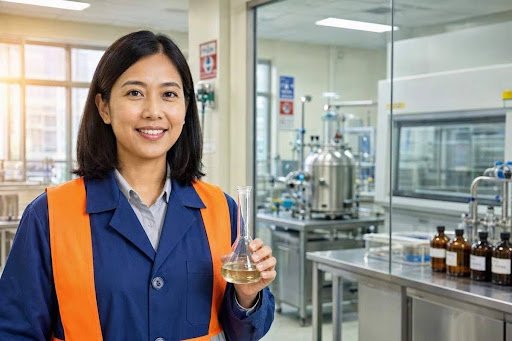
Product consistency is important in the chemical industry because customers expect reliable quality and performance. Even small changes in chemical composition, purity, or concentration can affect a product’s effectiveness. Manufacturers must therefore follow strict quality standards throughout production.
Penang Chemical Company can maintain product consistency by controlling raw materials, following standardized procedures, and conducting regular quality checks. Equipment maintenance, employee training, and proper storage also help reduce variations. Together, these practices support reliable products and greater customer satisfaction.
How Is Product Quality Kept Consistent?
1. Raw Material Control
Raw materials have a direct impact on the quality of finished chemical products. Differences in purity, concentration, and composition can cause variations between batches. Selecting dependable suppliers and setting clear material specifications helps prevent these problems.
Before production begins, incoming materials should be inspected and tested when necessary. Important checks include:
- Purity: Confirming that materials meet required quality standards.
- Composition: Checking that ingredients match the approved specifications.
- Contamination: Identifying unwanted substances that could affect the final product.
- Documentation: Reviewing supplier certificates and material details.
These checks help ensure that only suitable materials enter the production process. Proper labeling and storage further reduce the risk of contamination and material mix-ups.
2. Standardized Production
Consistent manufacturing depends on standardized production procedures. Penang Chemical Company can support reliable results by controlling ingredient quantities, mixing speeds, temperatures, and processing times. Managing these factors helps minimize unexpected changes in product quality.
Written procedures guide employees through each production stage. Monitoring systems can track important process conditions and identify unusual readings. When deviations occur, production staff should investigate the cause and take corrective action before product quality is affected.
3. Quality Control Testing
Quality control testing confirms whether products meet established specifications. Depending on the chemical, tests may measure purity, concentration, pH, viscosity, moisture content, or appearance. These checks help identify problems before products are delivered to customers.
Testing should take place during production and before final product release. Laboratory instruments must be calibrated, and testing methods should provide reliable results. Any batch that fails to meet the required standards should be investigated and held until its status is properly determined.
4. Equipment Maintenance
Manufacturing equipment must operate correctly to produce consistent results. Faulty sensors, worn pumps, and poorly maintained mixing tanks can affect chemical measurements and production conditions. Regular inspections help identify these issues before they cause defects.
Preventive maintenance includes cleaning, calibration, repairs, and replacing damaged components. Equipment should also be cleaned between batches to prevent cross-contamination. Maintaining service records helps identify recurring problems and supports dependable production.
5. Staff Training
Employee knowledge plays an important role in maintaining product quality. Penang Chemical Company can promote consistency by ensuring workers understand production procedures, equipment operation, safety requirements, and quality standards. Proper training reduces mistakes and improves workplace performance.
Regular training sessions reinforce existing knowledge and introduce improved procedures. Employees should recognize unusual process conditions and report problems promptly. Encouraging responsibility and clear communication helps prevent minor mistakes from affecting entire batches.
6. Documentation and Traceability
Accurate records help manufacturers monitor production and maintain accountability. Documentation should cover raw materials, batch numbers, processing conditions, laboratory results, and equipment maintenance. These details make it easier to verify that established procedures have been followed.
Traceability connects each finished product to its materials and production history. If a customer reports a quality issue, the company can review the relevant records to investigate its possible cause. Organized documentation also helps employees follow updated procedures and supports quality audits.
7. Safe Storage and Handling
Penang Chemical Company can help preserve chemical quality through appropriate storage and handling practices. Exposure to unsuitable temperatures, moisture, sunlight, or incompatible substances can affect product stability. Storage conditions should therefore match the specific requirements of each chemical.
Containers must be suitable for their contents, properly labeled, and securely closed when necessary. Regular inspections can identify damaged packaging or signs of deterioration. Appropriate inventory rotation also helps prevent products from remaining in storage beyond their recommended shelf life.
8. Continuous Improvement
Continuous improvement helps manufacturers maintain quality as production requirements change. Reviewing laboratory results, customer feedback, and production records can reveal recurring problems. These findings help identify opportunities to improve manufacturing procedures.
Effective improvement involves addressing the root causes of quality issues. Manufacturers can use the following measures:
- Regular audits: Checking whether procedures meet established standards.
- Performance monitoring: Reviewing defect rates and production variations.
- Corrective actions: Resolving problems and preventing them from recurring.
- Customer feedback: Identifying concerns and opportunities for improvement.
Reviewing the effectiveness of these measures helps strengthen quality management. Consistent monitoring also supports better efficiency and more reliable production outcomes.
What Makes Universal Lab Unique?
Universal Lab & Chemical Supplies (PG) Sdn Bhd stands out through its focus on laboratory supplies, chemical products, and customer support. Access to suitable laboratory materials helps businesses, educational institutions, and research facilities maintain reliable testing and operational standards. Product selection, clear specifications, and appropriate handling guidance are important factors in meeting different customer requirements.
A commitment to product quality, dependable service, and customer satisfaction can further strengthen Universal Lab’s reputation. By helping customers identify suitable chemicals and laboratory supplies, the company can support accurate testing and efficient laboratory operations. Consistent product information, responsible handling practices, and responsive communication also contribute to building long-term customer relationships.
Conclusion
Product consistency depends on careful quality management throughout the manufacturing process. Raw material inspections, standardized production, laboratory testing, and equipment maintenance help minimize variations. Employee training, accurate records, and proper storage provide additional protection.
Penang Chemical Company can support reliable product quality by applying these established chemical manufacturing practices and regularly evaluating their effectiveness. A strong commitment to quality helps reduce defects, improve operational efficiency, and build lasting customer confidence.
